
Why Sensory Art Matters in Early Childhood
What if a simple activity like finger painting, playing with colorful dough, or exploring different textures could help a child develop essential life skills?
Early childhood is a remarkable period of growth, curiosity, and discovery. During these formative years, children learn about the world by touching, seeing, hearing, moving, and experimenting. Sensory art combines creative expression with hands-on exploration, giving young children opportunities to learn through meaningful, playful experiences.
Sensory art is important in early childhood because it encourages creativity, strengthens fine motor skills, supports emotional expression, and gives children opportunities to explore their environment through multiple senses. For parents, caregivers, and preschool educators across the United States, sensory art offers a simple way to make everyday play more engaging and developmentally meaningful. From finger painting to textured collage-making, these activities can turn ordinary materials into exciting learning experiences.
What Is Sensory Art?
Sensory art refers to creative activities that engage one or more senses while allowing children to explore materials, textures, colors, shapes, and movement. Unlike activities that focus mainly on producing a finished picture or craft, sensory art emphasizes the process of exploration. Children are encouraged to experiment, make choices, and discover what happens when they interact with different materials.
Examples of sensory art activities include:
- Finger painting with washable paints.
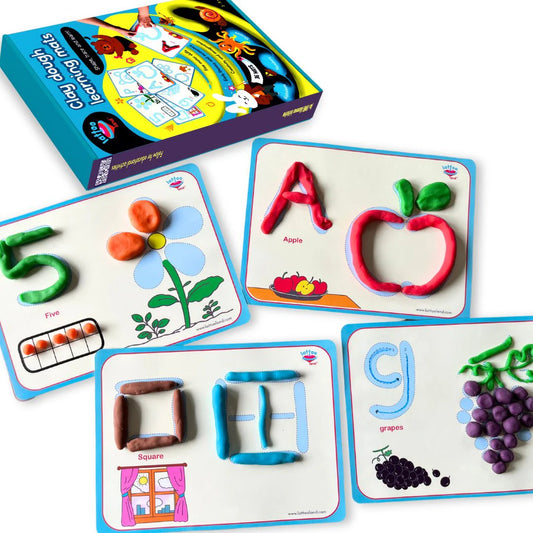
- Exploring and shaping play dough.
- Creating collages with different textures.
- Using sponges, brushes, and stamps to make patterns.
- Mixing colors and observing how they change.
- Drawing in sand or using textured art materials.
These experiences combine creativity with active learning, helping children build confidence as they discover new ways to express themselves.
1. Sensory Art Supports Early Brain Development
Young children learn through repeated experiences and interactions with their surroundings. Sensory art gives them opportunities to observe, experiment, compare, and make connections. When a preschooler mixes yellow and blue paint to create green, the child is exploring cause and effect. When a toddler presses play dough into different shapes, the child is discovering how pressure and movement change a material.
These experiences encourage early thinking skills, including observation, problem-solving, and experimentation.
Sensory art can also introduce foundational concepts such as:
-
Colors and shapes: Recognizing visual differences and similarities.
-
Patterns: Identifying repetition and creating simple sequences.
-
Cause and effect: Discovering how actions change materials.
-
Early science: Observing textures, consistency, and color mixing.
-
Decision-making: Choosing materials and deciding what to create.
Rather than memorizing information, children learn by actively engaging with the world around them.
2. It Strengthens Fine Motor Skills and Hand-Eye Coordination
Fine motor skills involve the small muscles of the hands and fingers. These movements help children perform everyday tasks such as holding a spoon, turning pages, drawing, and eventually using writing tools. Many sensory art activities naturally encourage these movements. For example, squeezing play dough, pinching small pieces of modeling material, holding a paintbrush, or pressing stamps onto paper allows children to practice controlling their hands and fingers. Hand-eye coordination develops as children learn to guide their movements based on what they see.
Here are some age-appropriate examples:
-
Toddlers: Make broad marks with large, easy-to-grip painting tools.
-
Preschoolers: Roll play dough, press shapes, and create simple collages.
-
Kindergarten-age children: Use child-safe tools to draw details, arrange materials, and create more complex designs.
These activities provide opportunities to practice skills used in drawing, early writing, dressing, and other everyday routines.
3. Sensory Art Encourages Creativity and Imagination
Creativity is not limited to drawing a perfect picture or following craft instructions. It also involves imagining possibilities, exploring alternatives, and developing original ideas. Sensory art gives children the freedom to experiment without worrying about producing a specific result. A lump of play dough might become a dinosaur, a birthday cake, or an imaginary creature. A collection of colored paper scraps might become a garden, a city, or an abstract design. Open-ended art activities are especially valuable because they allow children to make their own decisions.
Parents and educators can encourage creativity by asking questions such as:
-
What would you like to make today?
-
What happens if you mix these colors?
-
How could you make your creation taller?
-
Which materials would you like to try next?
The goal is not to create a perfect finished product. It is to give children the freedom to imagine, experiment, and express their ideas.
4. Sensory Art Helps Children Explore Emotions
Young children do not always have the vocabulary to explain how they feel. Art can provide another way to communicate experiences, preferences, and emotions. Painting with broad brushstrokes, squeezing play dough, or choosing favorite colors can offer opportunities for creative expression. For example, a child might choose bright colors to represent excitement or enjoy repetitive drawing movements during a quiet activity. However, adults should avoid assuming that a particular color or artwork always represents a specific emotion.
Sensory art can also create opportunities for calm, focused play. Repetitive actions, such as rolling dough or making patterns, may feel comforting to some children. To support emotional development, adults can acknowledge children's experiences without judging their artwork.
Instead of saying, "That doesn't look right," try saying, "Tell me about what you made."
This approach encourages communication, confidence, and a positive relationship with creative learning.
5. It Builds Confidence and Encourages Independence
Every time children make a choice, try a new technique, or discover a solution, they have an opportunity to build confidence. Sensory art provides a low-pressure environment where mistakes can become discoveries. If a painting looks different from what a child expected, the child can add another color or try a new approach. Allowing children to direct parts of the activity also encourages independence. Parents can support this process by offering a small selection of materials, demonstrating safe tool use, and allowing children time to explore without immediately correcting or taking over.
Praising effort and curiosity is often more helpful than focusing only on the final result. For example, saying, "You tried three different ways to make that shape," recognizes persistence and experimentation.
Over time, these experiences can help children become more comfortable exploring unfamiliar activities and expressing their own ideas.
6. Sensory Art Introduces Early Math, Science, and Language Skills
Sensory art is not just an artistic experience. It can also create natural opportunities to introduce early academic concepts. During a simple painting or play dough activity, adults can introduce descriptive words, ask questions, and encourage children to notice differences.
For example, a parents might ask a child to compare two materials: Which one feels softer? Which color is darker? How many shapes did you make? These conversations support vocabulary development and early reasoning.
Sensory art can introduce:
-
Early math: Counting objects, comparing sizes, sorting colors, and recognizing patterns.
-
Early science: Exploring materials, observing changes, and predicting outcomes.
-
Language development: Naming colors, describing textures, and explaining choices.
-
Problem-solving: Finding ways to attach materials, reshape objects, or achieve a creative goal.
When children describe what they are doing, they practice connecting words with real experiences.
7. How to Introduce Sensory Art at Home or in Preschool
You do not need an elaborate art studio or expensive supplies to create meaningful sensory experiences. A few suitable materials, a prepared workspace, and time for exploration are often enough.
Try these simple sensory art activities for toddlers and preschoolers:
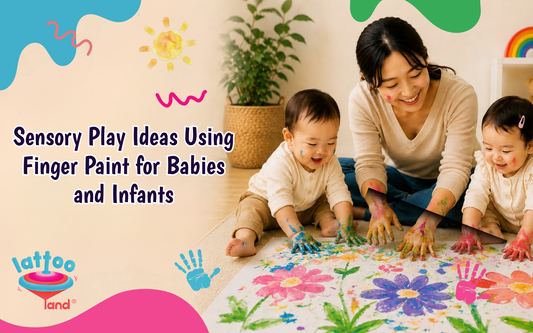
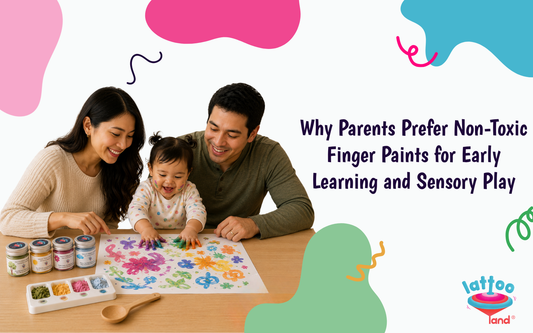
- Color exploration: Offer washable, age-appropriate paints and large sheets of paper. Let children experiment with brushstrokes and color combinations.
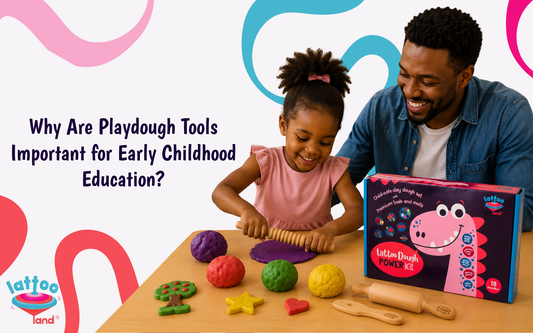
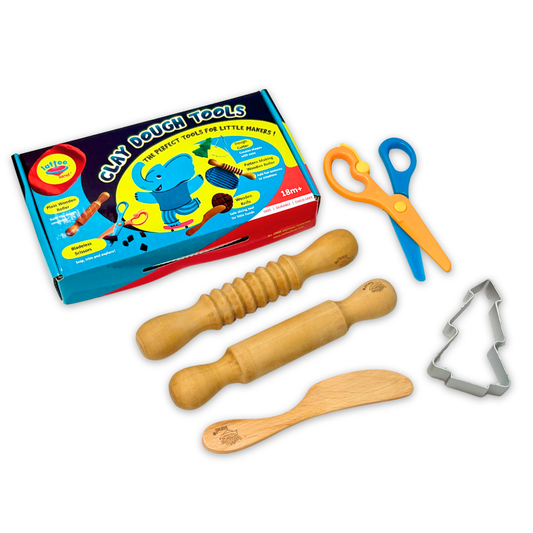
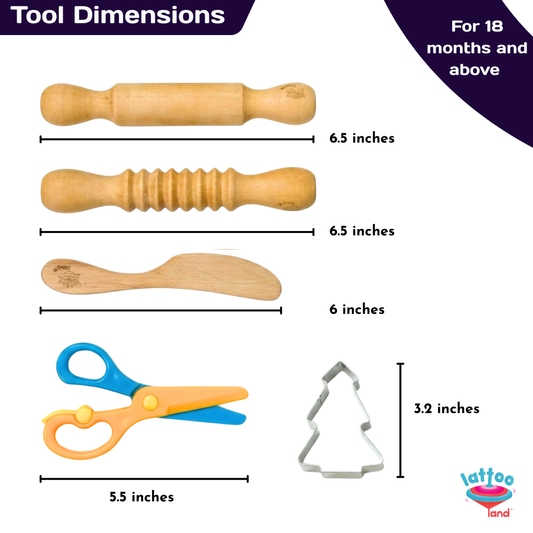
- Play dough creations: Invite children to roll, flatten, squeeze, and shape play dough using their hands or suitable child-safe tools.
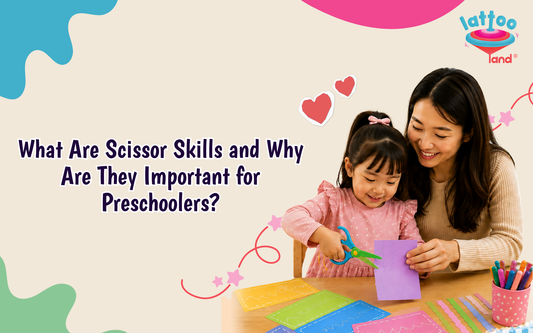
- Textured collage: Provide large pieces of paper and varied materials with different textures. Help children arrange and attach the pieces using age-appropriate methods.
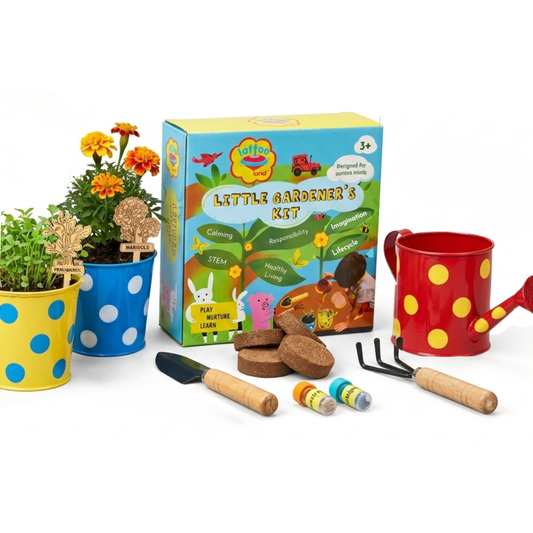
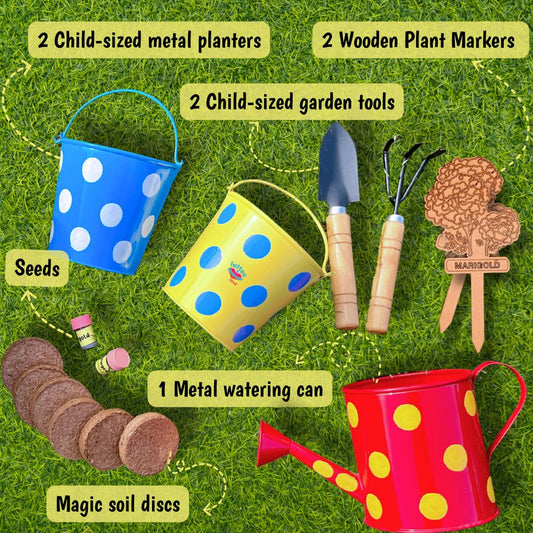
- Nature-inspired art: Use large leaves, flower shapes, or other safe natural materials to make prints, rubbings, and simple collages.
- Pattern painting: Encourage preschoolers to create repeating marks using suitable brushes, stamps, or sponges.
Keep activities flexible and appropriate for each child's age and abilities. Some children enjoy getting messy, while others prefer using tools to avoid direct contact with certain textures. Offer alternatives and let children participate at their own pace.
Safety Tips for Sensory Art
Adult supervision is essential, particularly for babies and toddlers who may put materials in their mouths.
Choose age-appropriate, non-toxic art supplies and follow product labels. Keep small objects, loose parts, and materials that could present choking risks away from young children. Avoid assuming that a product is edible or safe to taste simply because it is labeled natural or non-toxic. For children with sensory sensitivities, introduce unfamiliar textures gradually and never force participation. Check for relevant allergies, maintain a clean workspace, and wash hands after activities.
Choosing the Right Sensory Art Materials
The best materials are those that suit a child's developmental stage, interests, and individual needs.
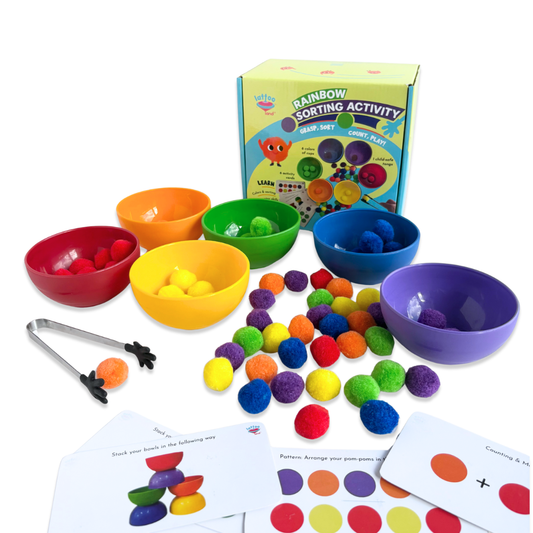
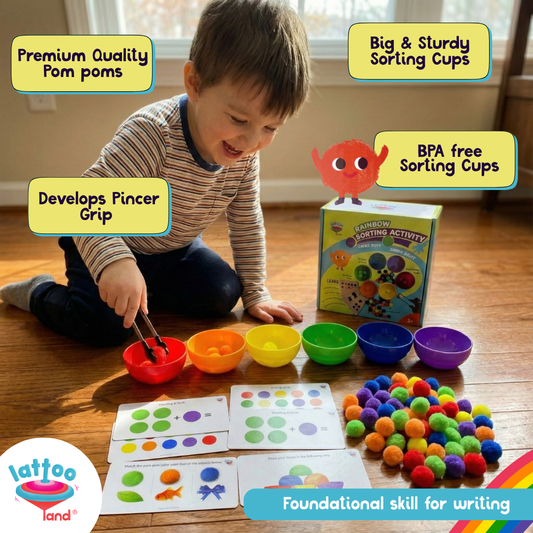
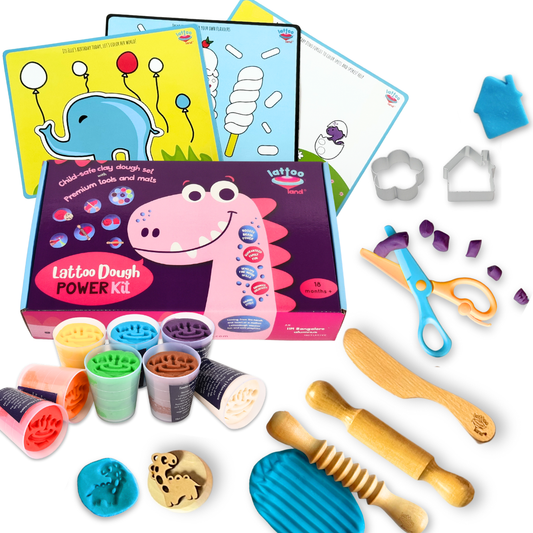
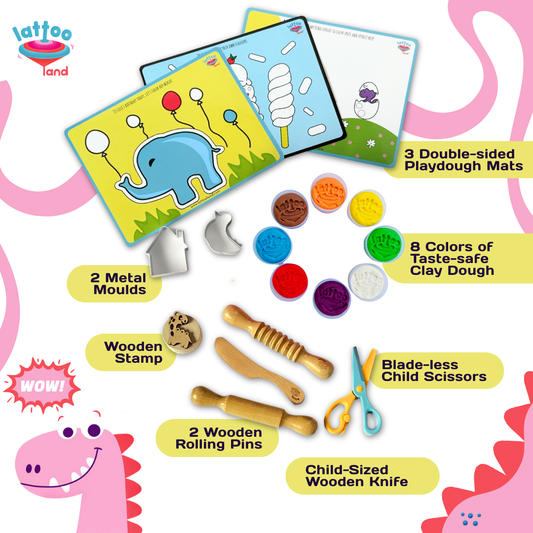
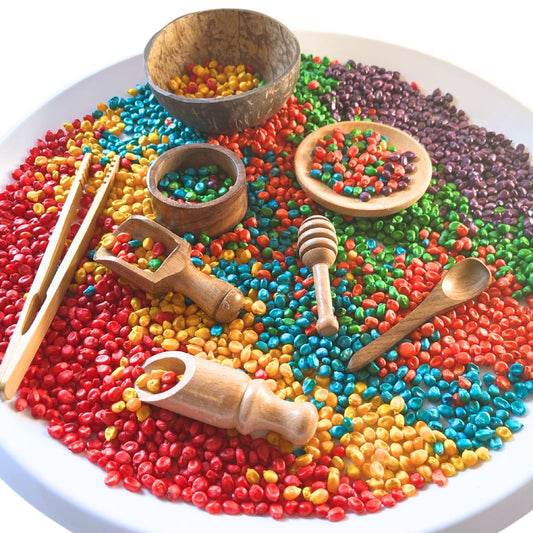
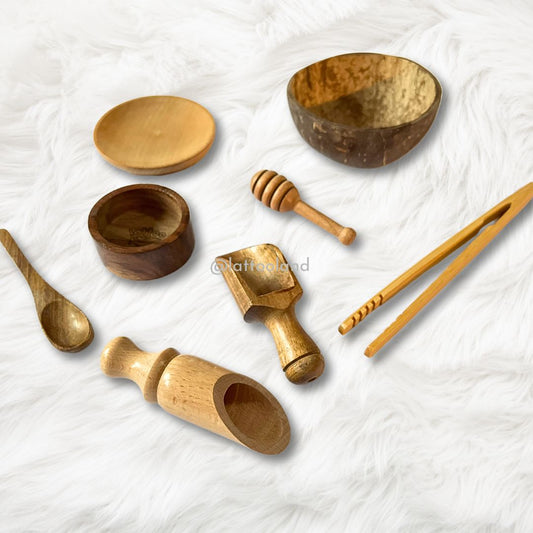
Look for washable paints, easy-to-hold brushes, suitable modeling materials, large paper sheets, and textured supplies designed for young children. For families and classrooms, reusable tools can make it easier to offer creative activities regularly. Sensory art kits can also help simplify preparation by bringing complementary materials together in one place. When choosing a kit, review the recommended age range, safety information, ingredients where applicable, and supervision requirements.
Making Creativity Part of Everyday Learning
Sensory art matters in early childhood because it gives children meaningful opportunities to explore, create, communicate, and learn through hands-on experiences. From supporting fine motor practice and imaginative thinking to encouraging emotional expression and early problem-solving, sensory art can enrich everyday play at home and in preschool.
You do not need to plan complicated projects to get started. Offer a few safe materials, follow your child's interests, and allow room for experimentation.
The most valuable part of sensory art is not the finished masterpiece. It is the learning, discovery, and confidence children build along the way.
Tags: