Montessori
Open-ended, child-led materials with no batteries and no single right answer. Sorting and threading sets, practical-life kits, and alphabet and number mats that build focus and fine motor control for ages 1 to 8.
- Featured
- Most relevant
- Best selling
- Alphabetically, A-Z
- Alphabetically, Z-A
- Price, low to high
- Price, high to low
- Date, old to new
- Date, new to old
- Featured
- Most relevant
- Best selling
- Alphabetically, A-Z
- Alphabetically, Z-A
- Price, low to high
- Price, high to low
- Date, old to new
- Date, new to old
Filter
Category
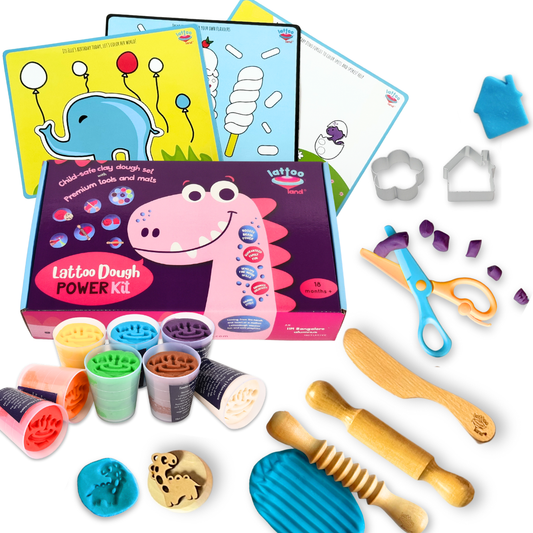
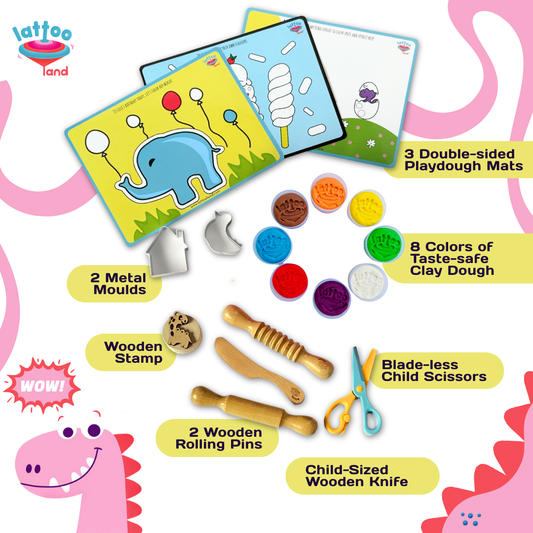
8 Colours Clay Dough Set with 7 Tools, 3 Mats | Power Kit | Taste-safe clay | Dough Kits for sensory play
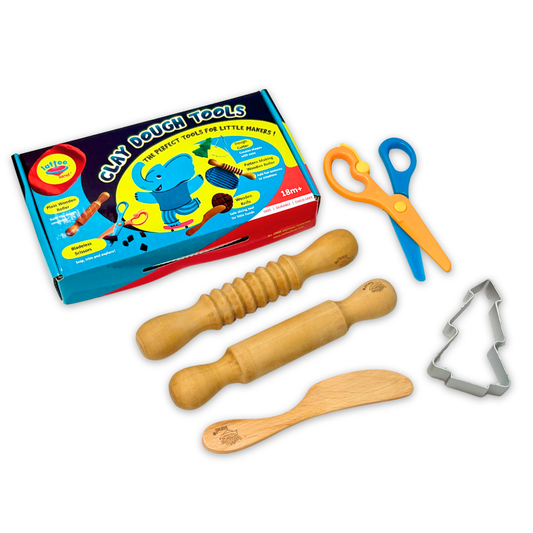
5-Piece PlayDough Tools Set for Kids | Wooden Playdough Tools | Multi-purpose | Sensory Play Dough accessories
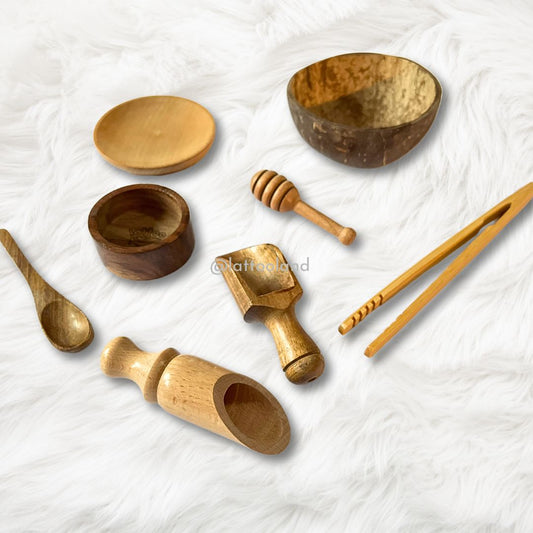
Set of 8 Wooden Sensory Tools for play | Wooden Child-sized |Multi-purpose |Montessori Toys | Waldorf Toys | Pretend Play
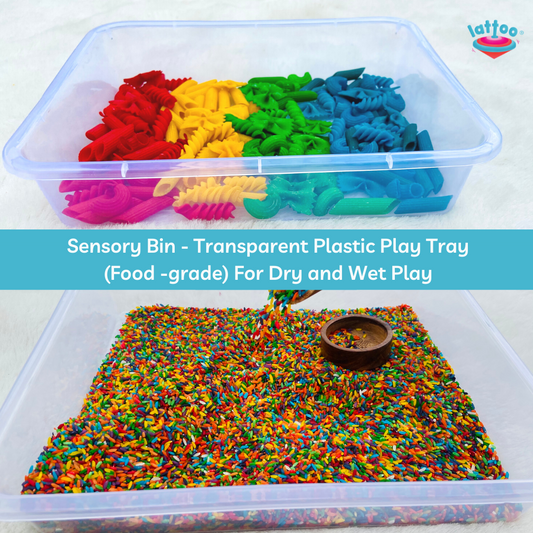
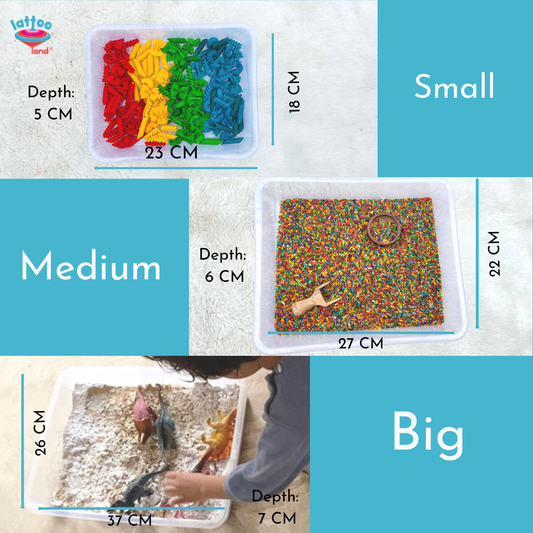
Sensory Bin Tray | Transparent Food grade Plastic Play Tray | Kids activities
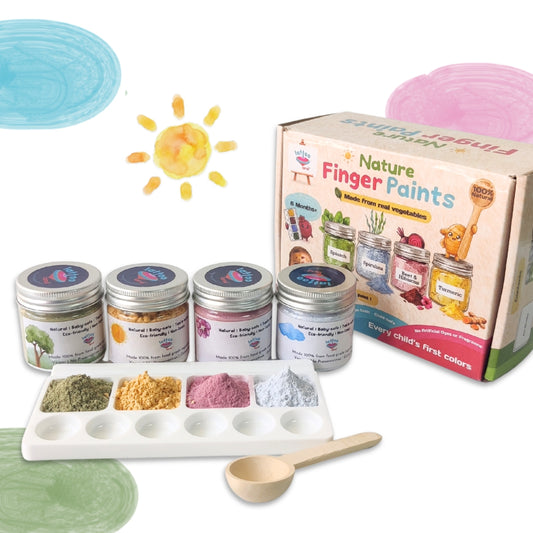
Natural Vegan Finger Paints for Babies & Toddlers – 100% Plant-Based, Taste-Safe, Non-Toxic, Washable (Set of 4 Colors)
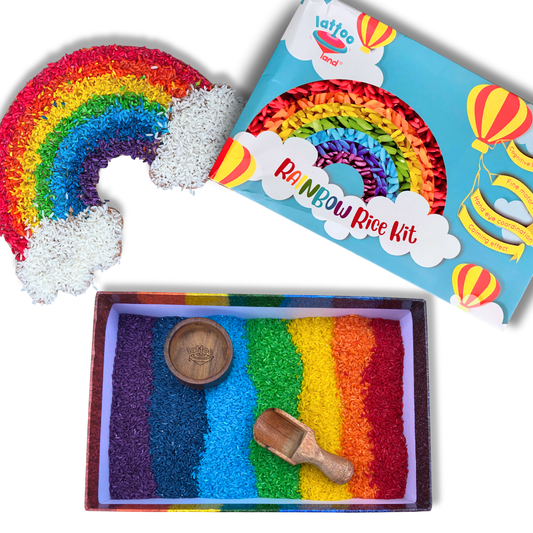
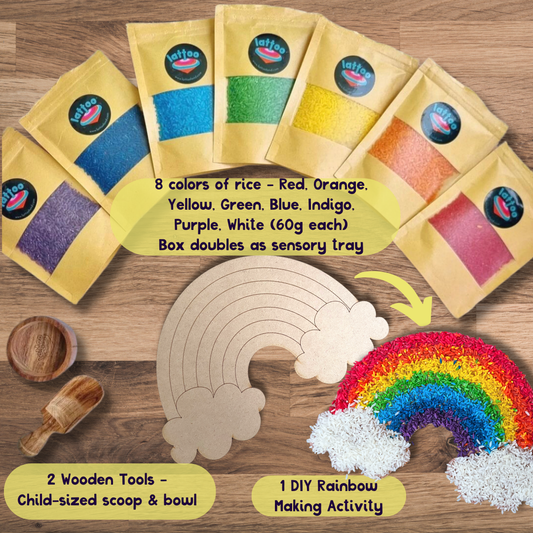
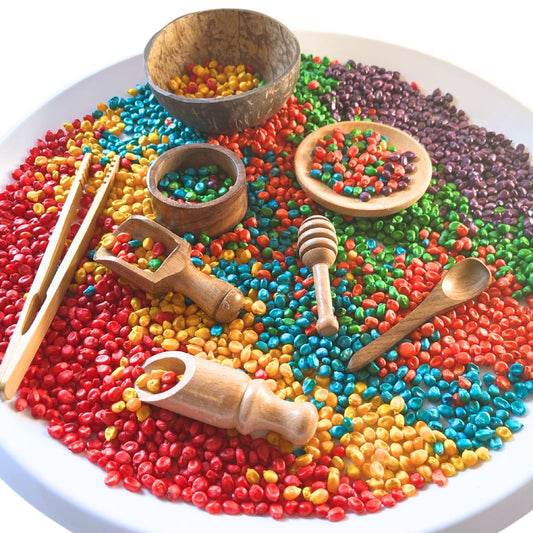
Sensory Rainbow Rice Play Kit with 2 Wooden Tools | DIY Rainbow Making Activity | Colored Rice for Sensory Play
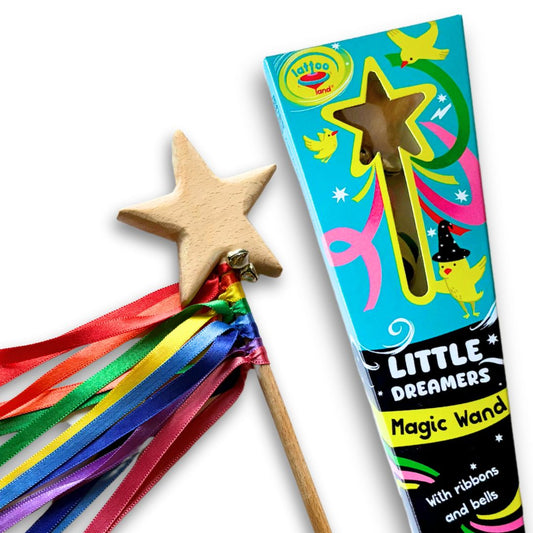
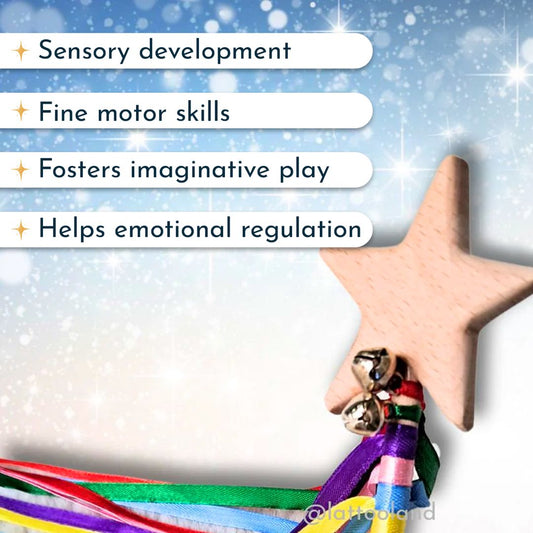
Magical Wooden Wand | Wizard Wand | Star Wand | Fairy Wand for Kids
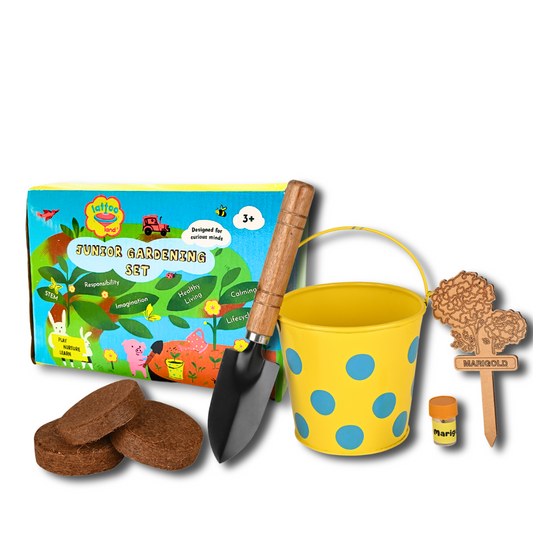
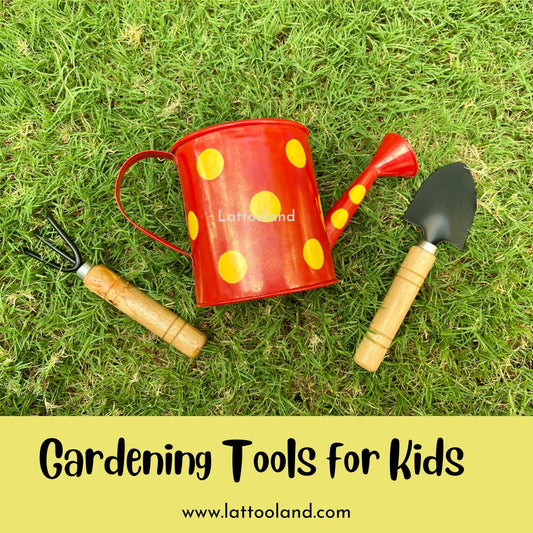
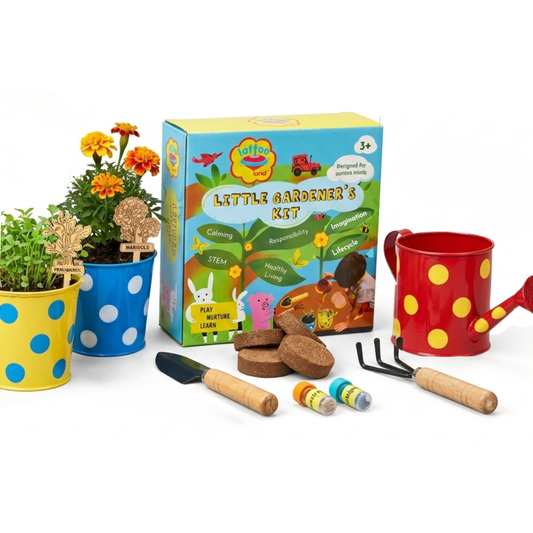
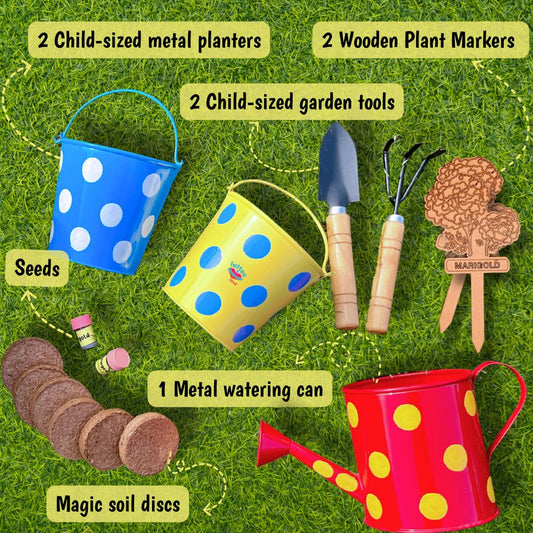
2 Child-sized garden tools with metal watering can | Kids Beach Toys | Multi-purpose Outdoor Toys Kids
Learn More
What Are Montessori Toys? A Parent's Guide
Montessori toys are built on one idea: the child does the work, not the toy. There are no batteries, no lights, and no single correct outcome. A child sorts, threads, matches, or pours at their own pace, and because the material itself shows when something does not fit, they correct their own mistakes without an adult stepping in.
That self-correction is what builds concentration. A child who is genuinely absorbed in threading beads is developing focus, sequencing, and fine motor control at the same time — which is why the approach carries over so well into early reading and math.
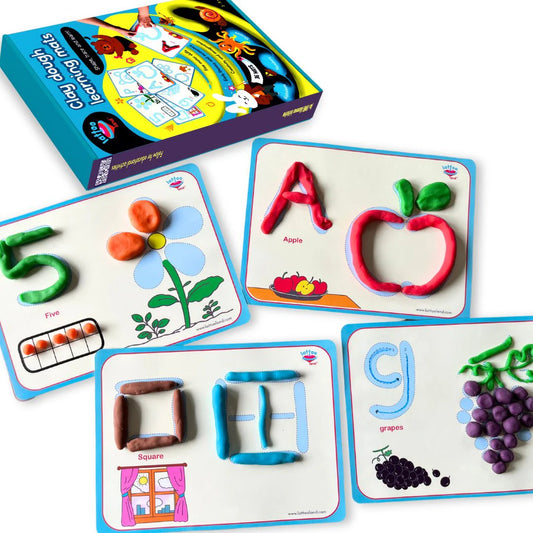
What's in this collection: Sorting and matching sets, threading and lacing activities, practical-life kits, alphabet and number mats, and fine motor tools — all in child-safe materials sized for small hands.
Age Guide & How to Choose a Montessori Kit
Montessori materials work best when they sit just slightly beyond what a child can already do comfortably — hard enough to require effort, easy enough to finish.
- 1–3 years: sorting, stacking, and posting activities that build grip and hand-eye coordination.
- 3–5 years: threading, lacing, and practical-life kits that develop focus, sequencing, and independence.
- 5–8 years: alphabet, number, and pre-writing mats that bridge hands-on play into literacy and math.
- Homeschool and classroom: pair one fine motor kit with one literacy or numeracy mat to build a complete learning station.
The single most useful tip: rotate materials instead of putting everything out at once. Four or five activities on an open shelf produces far deeper concentration than a full toy box, and swapping them weekly keeps interest alive.
Frequently Asked Questions About Montessori Toys
Q. What makes a toy Montessori?
A. A Montessori toy is open-ended, child-led, and usually self-correcting, meaning the child can tell for themselves when something does not fit. It has no batteries or sounds, and it does the opposite of entertaining: it invites the child to do the work.
Q. Do I need Montessori training to use these at home?
A. No. Set the activity out on a low shelf or table, let your child explore it, and resist correcting them. That is most of the method in practice.
Q. What age are Montessori toys for?
A. Most suit ages 1 to 8, with the specific range listed on each product page. Supervise children under 3 with any kit containing small parts.
Q. How many activities should I have out at once?
A. Four or five is plenty. Fewer visible choices leads to longer, deeper concentration, and rotating what is on the shelf each week keeps materials feeling new.
Q. Are Montessori toys worth the money?
A. They tend to last across several years rather than months, because open-ended materials get used differently as a child develops. A sorting set used for grip at two becomes a counting tool at five.
Q. Do these work for homeschooling?
A. Yes. They are widely used in homeschool setups, co-ops, and preschool classrooms as hands-on support for early literacy, math, and practical-life skills.
Explore More Collections
Shop by Category
Clay Dough for Kids | Sensory Bin Fillers | Sensory Play Tools | Themed Sensory Kits | Play Scarves | Printable Worksheets
Shop by Age
Baby Toys (0-18 Months) | Toddler Toys (18 Months-3 Years) | Preschool Toys (3-5 Years) | Kids Activities (5-8 Years)
Gifts & Occasions
Best Sellers | Party Favors & Return Gifts | Diwali, Holi & Rakhi Kits