
How to Choose the Best Sensory Bin Fillers for kids
Sensory play has become one of the most effective and enjoyable ways to support early childhood development. From improving fine motor skills to encouraging creativity and independent exploration, sensory activities offer countless benefits for children of all ages. At the heart of every great sensory bin is one important element the sensory bin filler.
Choosing the best sensory bin fillers for kids can make the difference between a quick activity and an engaging learning experience that keeps children entertained for hours. With so many options available, parents often wonder which fillers are safest, most educational, and best suited for their child's age and interests.
In this blog, we'll explore everything you need to know about sensory bin fillers, including how to choose them, the developmental benefits they provide, and the best options for toddlers and preschoolers.
What Are Sensory Bin Fillers?
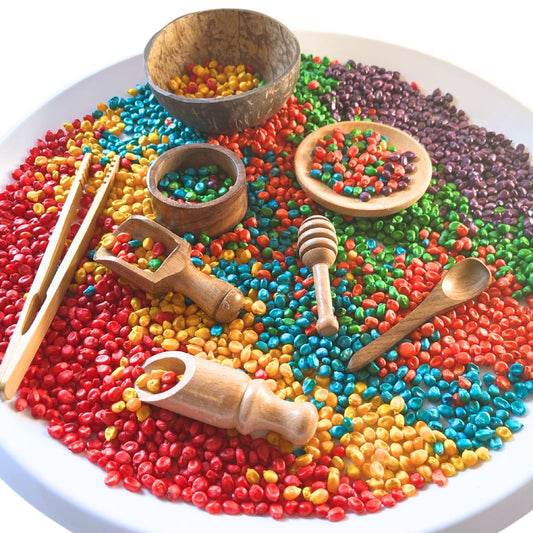
Sensory bin fillers are the materials used as the base of a sensory bin. Children interact with these materials by scooping, pouring, digging, sorting, pinching, and exploring. These fillers create a hands-on learning environment that stimulates multiple senses and encourages open-ended play
Popular sensory bin fillers include:
-
Colored rice
-
Sensory pasta
-
Chickpeas
- Beans
-
Corn kernels
- Kinetic sand
- Play sand
- Water beads
-
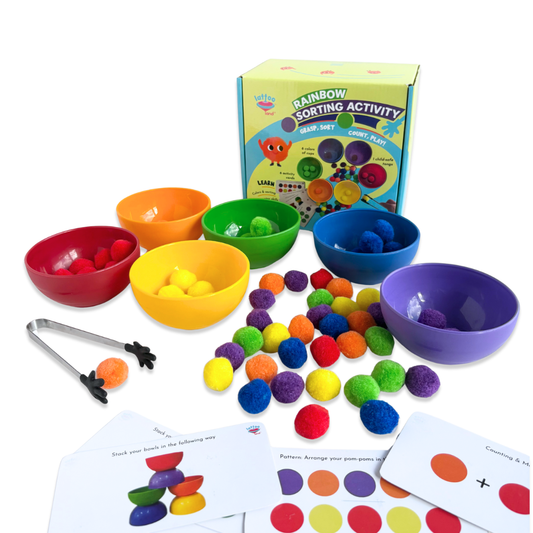
Pom-poms
- Shredded paper
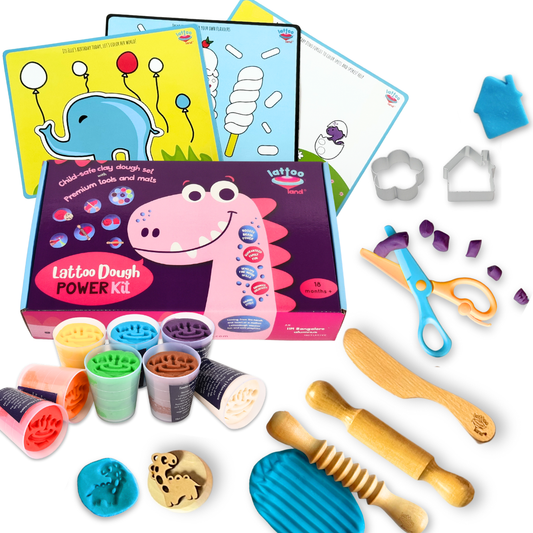
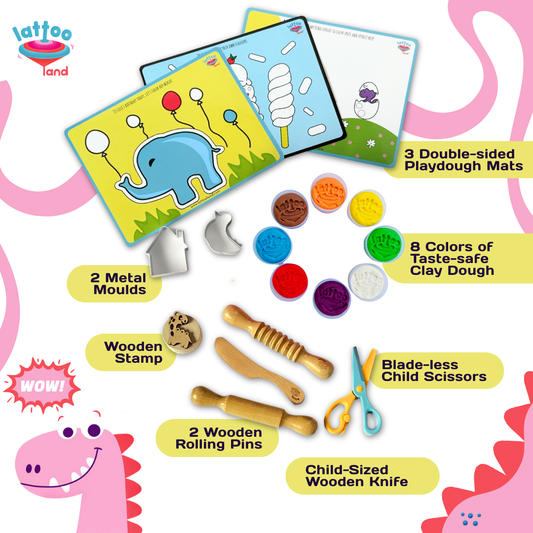
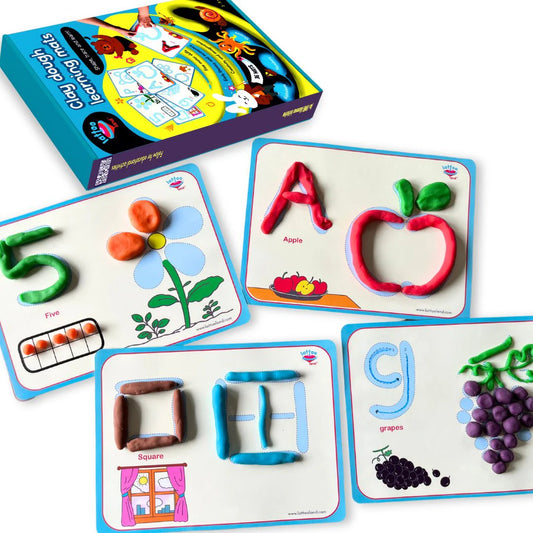
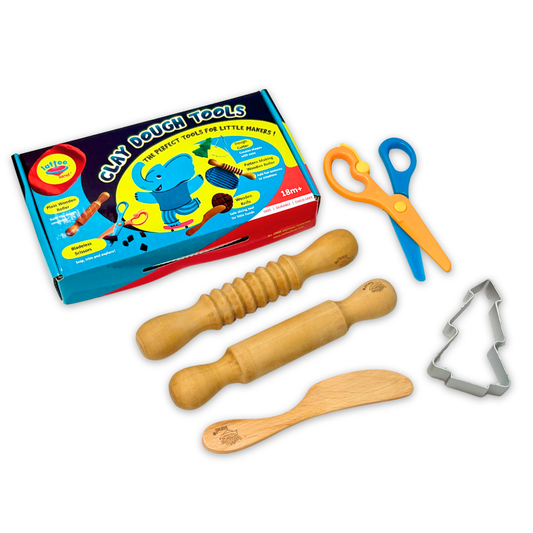
- Dough and clay
Each filler offers a unique texture and learning experience, making sensory play exciting and educational.
Why Sensory Play Is Important for Child Development
Before choosing a filler, it's important to understand why sensory play matters.
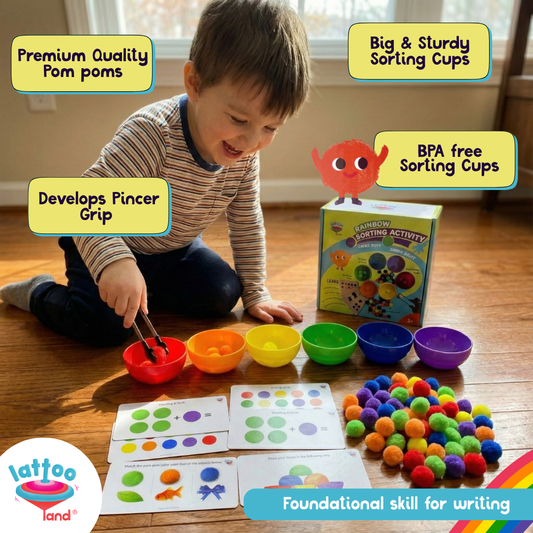
Supports Fine Motor Development : Sensory bins encourage children to use their fingers, hands, and wrists while scooping, pouring, grasping, and sorting. These movements strengthen small hand muscles needed for writing, drawing, buttoning clothes, and other everyday tasks.
Enhances Cognitive Skills : Sensory play promotes problem-solving, critical thinking, classification, counting, and early math concepts. Children naturally experiment, compare, and discover while playing.
Encourages Language Development : Children learn new words as they describe textures, colors, shapes, and actions. Parents can expand vocabulary by asking questions and introducing descriptive language during play.
Promotes Creativity and Imagination : Open-ended sensory activities encourage storytelling, role-playing, and imaginative thinking. A simple bin can become a construction site, ocean adventure, or dinosaur excavation.
Supports Emotional Regulation : Many children find sensory play calming and soothing. Repetitive activities like pouring rice or digging through sand can help reduce stress and improve focus.
Factors to Consider When Choosing Sensory Bin Fillers
1. Consider Your Child's Age : Age should always be the first consideration when selecting sensory materials.
Infants and Young Toddlers (Under 3 Years)
Young children explore the world through their mouths, making safety a top priority.
Choose fillers that are:
- Taste-safe
- Non-toxic
- Large enough to avoid choking hazards
- Examples include:
- Oatmeal
- Cooked pasta
- Non-Toxic & Child Safe dough
- Yogurt-based sensory activities
Note : Always supervise young children during sensory play.
Preschoolers (3–5 Years)
Preschool-aged children can safely enjoy a wider range of sensory fillers.
Popular options include:
-
Multi-Colored rice
- Sensory pasta
- Chickpeas
- Corn kernels
- Kinetic sand
These materials support more advanced fine motor and learning activities.
2. Prioritize Safety Above Everything
When purchasing sensory play materials, safety should always come first.
Look for fillers that are:
- Non-toxic
- Child-safe
- Free from harmful chemicals
- Made with food-grade dyes when applicable
- Avoid materials with sharp edges or fillers that could pose choking risks for younger children.
Parents should also inspect sensory materials regularly for signs of wear or contamination.
3. Choose Fillers Based on Learning Goals
Different sensory fillers support different developmental objectives.
For Fine Motor Skills
Best options include:
- Colored rice
- Chickpeas
- Lentils
- Beans
- Sensory pasta
These materials are ideal for scooping, sorting, and transferring activities.
For Creativity and Pretend Play
Consider:
- Kinetic sand
- Play dough
- Colored sensory mixes
- Pom-poms
- Colored rice
These materials allow children to build, mold, and create imaginative worlds.
For Early Math and Sorting Skills
4. Introduce a Variety of Textures
One of the primary goals of sensory play is texture exploration.
Children benefit from experiencing:
- Smooth textures
- Rough textures
- Soft materials
- Crunchy fillers
- Moldable substances
Texture exploration helps develop sensory processing skills and keeps children engaged.
Whether you choose colored rice, sensory pasta, chickpeas, kinetic sand, or dough, each filler provides unique opportunities for learning and exploration. By introducing different textures, themes, and activities, parents can create meaningful sensory experiences that support creativity, cognitive growth, fine motor development, and emotional well-being.
Sensory play is more than just a fun activity it's a powerful learning tool that helps children discover the world through hands-on exploration. With the child-safe sensory bin fillers, every play session can become an exciting adventure filled with learning, creativity, and endless possibilities.
Tags:
Previous
Why Finger Painting Is Important for Babies’ Brain Development
Next
Best 4th of July Sensory Bin Ideas for Toddlers and Preschoolers
Related articles
Why Sensory Art Matters in Early Childhood
Oct 14 2026