
Why Finger Painting Is Important for Babies’ Brain Development
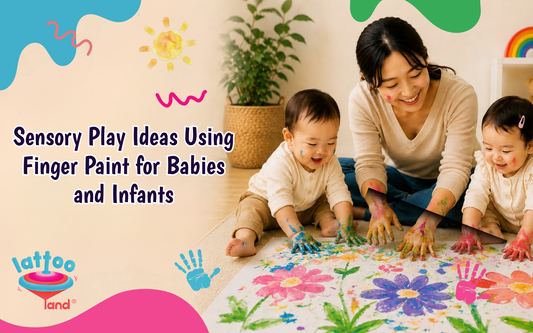
Finger painting is more than just a fun activity for babies. It is one of the most effective early childhood sensory experiences that supports brain development, creativity, emotional growth, and motor skills. Parents across the United States are increasingly choosing baby-safe finger painting activities because they combine learning and play in a natural, engaging way. From touching colors and textures to creating shapes with tiny hands, finger painting stimulates multiple areas of a baby’s developing brain. It encourages sensory exploration, strengthens hand-eye coordination, improves focus, and helps babies express emotions before they can fully communicate with words.
In this blog , we will explore why finger painting is important for babies’ brain development, the major developmental benefits, and how parents can safely introduce finger painting activities at home.
What Is Finger Painting for Babies?
Finger painting is a sensory art activity where babies use their fingers and hands to spread paint across paper or safe surfaces. Unlike structured art projects, finger painting allows babies to freely explore textures, colors, and movement. For babies and toddlers, the process matters more than the final artwork. The act of touching, smearing, mixing, and experimenting helps build important neural connections during the early years of development. Most pediatric experts recommend introducing baby-safe finger painting activities between 6 and 12 months, depending on the child’s readiness and supervision.
How Finger Painting Supports Brain Development
The first five years of life are critical for brain growth. During this stage, babies develop millions of neural connections through sensory experiences and repeated activities. Finger painting activates several parts of the brain at the same time, making it a powerful developmental activity.
When babies finger paint, they engage:
- Sensory processing skills
- Visual learning abilities
- Fine motor coordination
- Cognitive development
- Emotional expression
- Creativity and imagination
The brain learns through exploration. Finger painting encourages babies to observe colors, understand cause and effect, and experiment with movement. These experiences help strengthen neural pathways that support future learning.
Sensory Stimulation Enhances Learning
Sensory play is essential for healthy brain development in infants and toddlers. Finger painting provides a rich sensory experience because babies can feel wet textures, see vibrant colors, and move their hands freely. This sensory input helps babies process and organize information more effectively. Activities involving touch and texture stimulate the sensory cortex, which plays an important role in learning and memory. Different sensations during finger painting also improve sensory integration skills. Babies learn how their bodies interact with the environment, helping them become more comfortable with new experiences and textures. Sensory-based activities like finger painting are especially beneficial for developing curiosity and attention span in young children.
Finger painting strengthens the small muscles in a baby’s fingers, hands, and wrists. These fine motor skills are important for future tasks such as:
- Writing
- Holding utensils
- Buttoning clothes
- Using scissors
- Drawing and coloring.
As babies spread paint, tap surfaces, or make marks with their fingers, they practice controlled hand movements. Repeated movements help improve coordination and muscle strength over time. Finger painting also supports bilateral coordination, meaning babies learn to use both hands together. This is an essential developmental milestone that contributes to everyday physical activities.
Encourages Creativity and Imagination
Creative activities are important for cognitive flexibility and emotional intelligence. Finger painting allows babies to experiment freely without rules or pressure. Unlike structured toys with specific outcomes, open-ended art activities encourage independent thinking and exploration. Babies can create patterns, mix colors, and make unique movements based on curiosity. This freedom promotes imagination and problem-solving skills. Early creative experiences help children become more confident thinkers later in life.
Creative play also supports innovation and adaptability, which are important life skills in modern education environments.
Supports Emotional Development
Babies often express emotions through movement and sensory experiences before they develop language skills. Finger painting provides a healthy outlet for emotional expression. The calming motion of spreading paint can reduce stress and frustration while promoting relaxation. Many babies enjoy the repetitive sensory experience, which can help regulate emotions and improve mood. Finger painting also helps build confidence. Babies experience a sense of accomplishment when they create marks, patterns, or colorful artwork. Positive reinforcement from parents during art activities strengthens emotional bonds and encourages healthy social development.
Builds Hand-Eye Coordination
Hand-eye coordination is the ability to synchronize visual information with physical movement. Finger painting naturally develops this skill because babies observe their hand movements while interacting with paint. For example, when a baby reaches for a color or drags paint across paper, the brain processes visual input and coordinates physical action simultaneously. Strong hand-eye coordination supports many future learning activities, including reading, sports, writing, and problem-solving.
Early activities that improve coordination can positively impact a child’s overall developmental progress
Encourages Early Communication Skills
Finger painting sessions often involve conversations between parents and babies. Parents naturally describe colors, textures, shapes, and movements during play.
This interaction introduces babies to new vocabulary and language patterns. Hearing descriptive words repeatedly helps strengthen language development and listening skills.
Examples of words commonly introduced during finger painting include:
- Red
- Blue
- Soft
- Wet
- Circle
- Big
- Small
Interactive sensory play also encourages babies to respond through sounds, gestures, and facial expressions, building early communication abilities.
Helps Develop Cognitive Skills
Finger painting supports several cognitive skills that are essential for learning and problem-solving.
Babies begin to understand concepts such as:
- Cause and effect
- Color recognition
- Spatial awareness
- Pattern creation
- Decision-making
For example, when babies mix two colors and observe changes, they learn basic scientific thinking and experimentation. Simple artistic exploration encourages curiosity, observation, and independent discovery all important foundations for future academic success.
Strengthens Parent-Child Bonding
Finger painting is an excellent bonding activity for families. Shared sensory play experiences create positive emotional connections between parents and babies.
When parents participate in creative activities, babies feel safe, supported, and encouraged. Eye contact, smiles, laughter, and verbal interaction during play strengthen trust and attachment. Strong parent-child relationships contribute to healthy emotional and social development throughout childhood. Creating art together also gives families meaningful screen-free time focused on interaction and learning.
Introduces Babies to Colors and Visual Learning
Finger painting is one of the easiest ways to introduce babies to colors and visual stimulation. Bright colors naturally attract a baby’s attention and help develop visual tracking skills. Repeated exposure to colors supports early recognition and memory development. Parents can use finger painting to introduce simple educational concepts such as:
- Primary colors
- Shapes
- Patterns
- Size comparisons
Visual learning activities are particularly important during infancy because babies absorb information rapidly through observation and sensory interaction.
Safe Finger Painting Tips for Babies
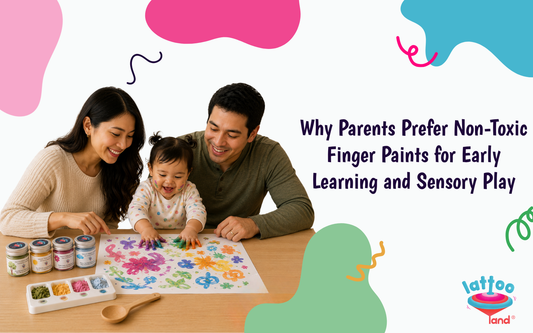
Safety should always come first when introducing finger painting to babies. Since young children may place their hands in their mouths, it is important to choose baby-safe materials.
- Choose Non-Toxic Finger Paints
- Always select finger paints specifically labeled:
- Non-toxic
- Baby-safe
- Washable
- Skin-friendly
- Avoid paints containing harsh chemicals, artificial fragrances, or unsafe ingredients.
- Supervise at All Times
- Babies should never finger paint without adult supervision.
Parents can guide activities safely while encouraging exploration.
- Use Easy-to-Clean Surfaces
- Set up finger painting on:
- High chair trays
- Washable mats
- Large sheets of paper
- Plastic-covered tables
- This makes cleanup easier and allows babies to explore freely.
- Dress Babies in Old Clothes
Finger painting can get messy, which is completely normal and beneficial for sensory learning. Use old clothes or baby aprons to protect outfits.
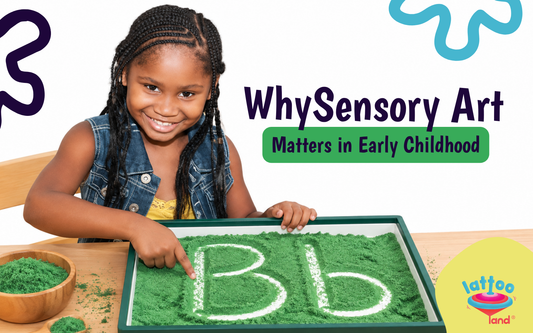
Why Sensory Art Matters in Early Childhood
Modern parenting experts and educators strongly encourage sensory-based learning activities during early childhood. Sensory art activities like finger painting support whole-brain learning by combining movement, creativity, touch, and visual exploration.
In today’s digital world, hands-on activities are more important than ever. Finger painting encourages real-world interaction, active learning, and imaginative play without screens.
Children who engage in sensory play regularly often show improved focus, creativity, emotional regulation, and problem-solving skills as they grow older. Finger painting is not just an entertaining activity for babies it is an important developmental tool that supports brain growth, sensory learning, creativity, and emotional well-being. From strengthening fine motor skills to encouraging cognitive development and communication, finger painting offers countless benefits during the early years of life. Parents looking for meaningful, educational, and engaging activities can confidently introduce baby-safe finger painting as part of daily sensory play routines.
Simple moments of colorful exploration today can help build the foundation for lifelong learning, creativity, and confidence tomorrow.
Tags:
Previous
How to Choose the Right Sensory Bin Filler for Your Child’s Age
Next
How to Choose the Best Sensory Bin Fillers for kids
Related articles
Why Sensory Art Matters in Early Childhood
Oct 14 2026