
What Is a Sensory Bin And Why It’s So Effective
In today’s world of screens and structured learning, hands-on play has never been more important. Sensory bins are one of the most effective tools to engage children’s senses, stimulate their brains, and promote learning through fun.
What Is a Sensory Bin?
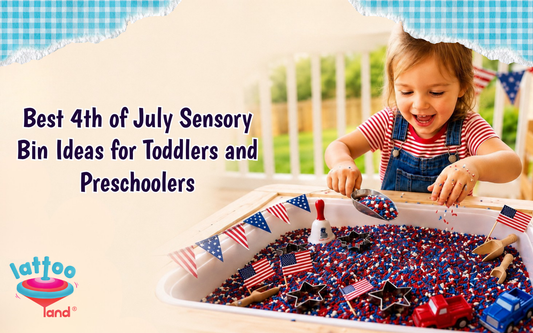
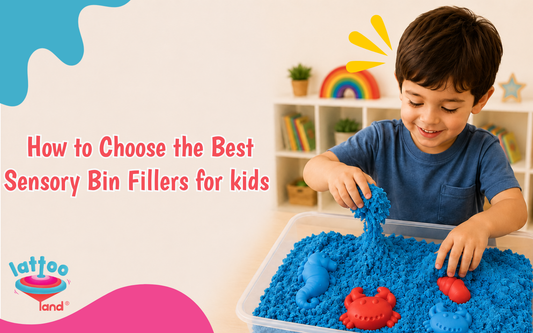
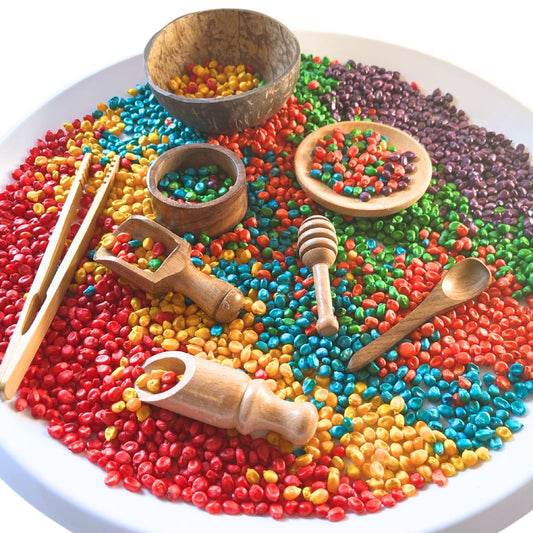
A sensory bin is a container filled with materials that children can touch, manipulate, and explore. These materials can be anything from colored rice, sand, water beads, or pasta, to themed objects like small toys, buttons, or nature items. The idea is simple: children use their hands, eyes, and sometimes even ears and nose to explore textures, colors, shapes, and objects. Sensory bins can be themed such as rainbow rice, holiday-themed sensory bins, or nature sensory kits making playtime even more exciting and educational.
The Benefits of Sensory Bins
Sensory bins are not just fun they provide numerous developmental benefits for children:
-
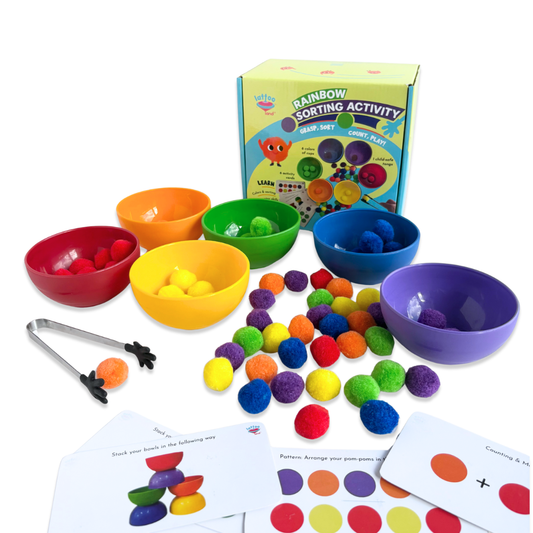
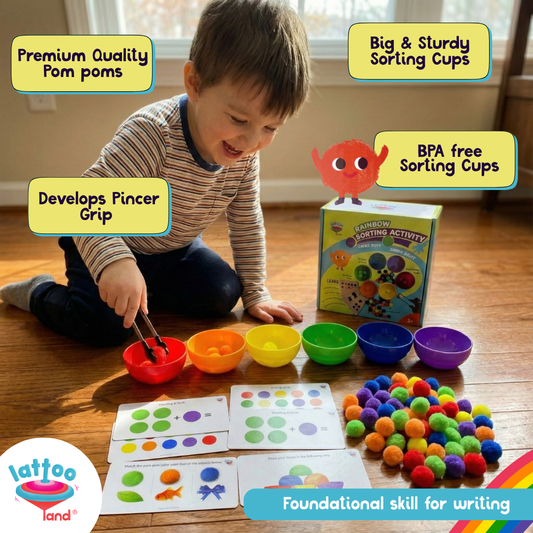
Enhances Fine Motor Skills : Scooping, pouring, pinching, and sorting objects in a sensory bin help develop fine motor skills, which are essential for writing, drawing, and self-care tasks.
-
Promotes Cognitive Development : By exploring different textures, colors, and patterns, children learn to problem-solve, compare, and categorize. Sensory play can even introduce early concepts of math and science, such as volume, counting, and cause-and-effect.
-
Encourages Creativity and Imagination : A sensory bin is a blank canvas. Children can create, build, and role-play, sparking imaginative play and storytelling skills.
-
Supports Emotional Regulation : Sensory activities can be calming and help children self-regulate. Focusing on textures and movements encourages mindfulness and reduces stress or anxiety.
- Boosts Language Development : As children explore and describe their actions, they practice vocabulary, sentence formation, and communication skills, making sensory bins a hidden language-learning tool.
How to Make a Sensory Bin Effective
To maximize the benefits of a sensory bin, consider these tips:
-
Use safe, non-toxic materials: Items like rainbow rice, colored pasta, or water beads are perfect for toddlers and preschoolers.
-
Include various textures and colors: This keeps the experience engaging and stimulating.
-
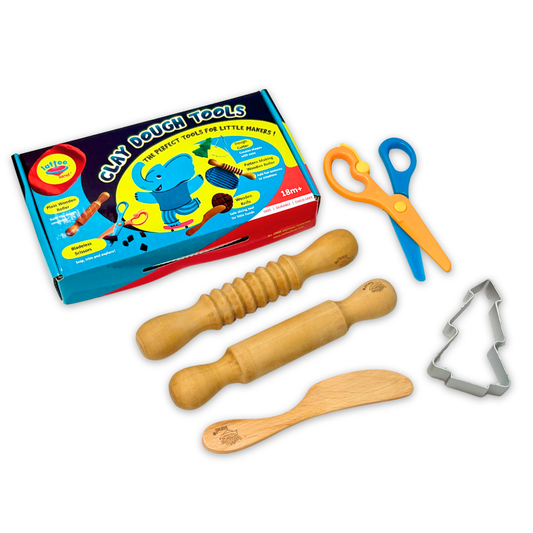
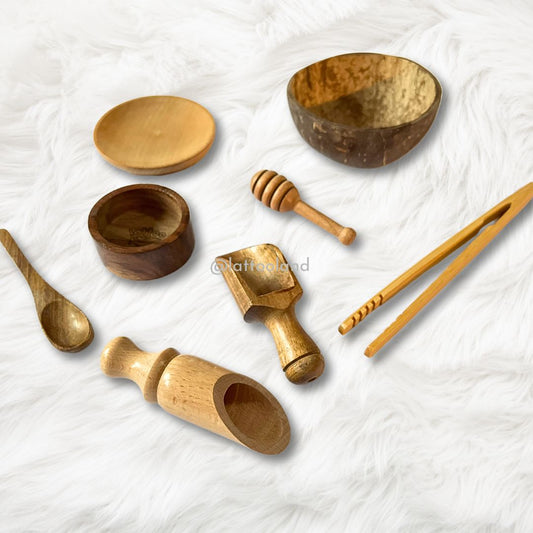
Add tools and accessories: Scoops, funnels, cups, and small toys enhance motor skill development and imaginative play.
-
Rotate themes regularly: Switch the sensory bin according to seasons, holidays, or educational themes like spring sensory bin filler, Halloween, Christmas, winter, Valentine’s sensory bin filler to keep children engaged and curious.
- Supervise play: Especially with small items, ensure safety while children explore independently.
Why Sensory Bins Are So Popular
Parents and educators love sensory bins because they are easy to set up, inexpensive, and adaptable. You can create a simple bin with rice and scoops at home, or invest in a ready-to-use sensory kit for mess-free learning. They work for toddlers, preschoolers, and even early elementary children, making them versatile learning tools. A sensory bin is more than just a play activity it’s a powerful learning tool that promotes cognitive, motor, emotional, and language development in children. With colorful materials, tactile exploration, and creative possibilities, sensory bins combine fun and learning seamlessly. Whether you’re a parent looking to engage your child at home, or a teacher searching for classroom activities, sensory bins are an effective, hands-on way to stimulate curiosity and learning.
Tags:
Previous
Fun and Easy Winter Activities for Kids
Next
Valentine’s Day Activities for Kids That Are Easy and Screen-Free
Related articles
Why Sensory Art Matters in Early Childhood
Oct 14 2026