
How to Choose the Right Sensory Bin Filler for Your Child’s Age
Sensory bins are one of the most powerful tools for early childhood development but choosing the right sensory bin filler for your child’s age is crucial for both safety and learning impact. The right filler can boost fine motor skills, language development, creativity, and emotional regulation, while the wrong one can pose choking risks or overwhelm young learners.
In this blog, we’ll break down age-appropriate sensory bin fillers, what skills they support, and how parents can make safe, developmentally smart choices.
Why Age Matters When Choosing Sensory Bin Fillers
Children experience the world differently at every stage of development. A toddler explores through touch and taste, while a preschooler experiments, sorts, and imagines. Sensory bin fillers should:
- Match your child’s motor skills
- Be safe and non-toxic
- Support developmental milestones
- Encourage open-ended play
Let’s explore the best options by age group.
Sensory Bin Fillers for Babies (6–12 Months)
Designed especially for little hands and curious minds, Sensory Bin Fillers help babies explore the world through touch, sight, and movement. Perfect for ages 6–12 months, these fillers encourage sensory discovery, fine motor development, and early cognitive skills through safe, open-ended play. Made with baby-friendly materials, the fillers support grasping, scooping, pouring, and texture exploration helping strengthen hand-eye coordination while keeping playtime fun and engaging. Ideal for tummy time, floor play, or guided sensory activities, this set promotes calm focus and joyful learning at home or in early learning spaces.
A wonderful way to nurture curiosity, creativity, and early development one sensory experience at a time.
Best Characteristics
- Large, soft, non-choking
- Taste-safe and non-toxic
- Gentle textures
Recommended Fillers
- Fabric scraps or Sensory play silks
- Large wooden rings
- Sensory Play Mat
- Food-grade silicone shapes
- Waldorf Hand Kite Set
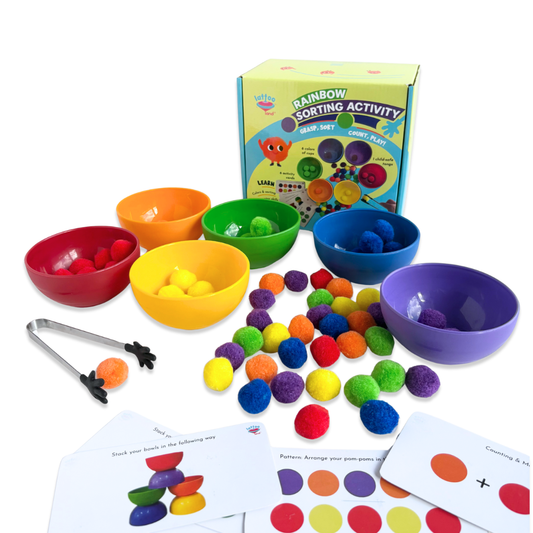
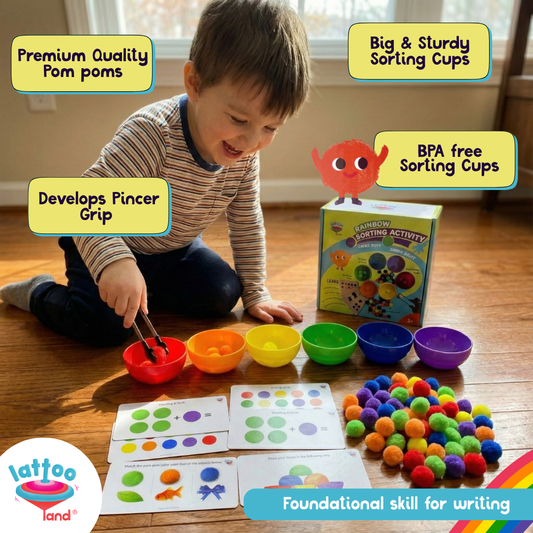
- Soft pom-poms (always supervised)
Skills Developed
- Sensory awareness
- Hand-eye coordination
- Grasping and reaching
Safety Tip: Always supervise and avoid small or loose fillers at this stage.
Sensory Bin Fillers for Toddlers (1–2 Years)
This is a great age to introduce Montessori-inspired sensory bins that focus on practical life skills. Sensory Bin Fillers are thoughtfully designed to support active learning and exploration for toddlers aged 1–2 years. Perfect for little hands, these fillers encourage hands-on sensory play that builds fine motor skills, hand-eye coordination, and early problem-solving abilities . Toddlers can scoop, pour, sort, and explore different textures, helping strengthen finger muscles and improve focus through open-ended play. Ideal for sensory bins, activity trays, and guided playtime, these fillers promote creativity, curiosity, and independent exploration in a fun and calming way.
Best Characteristics
- Big enough to avoid choking
- Easy to scoop, pour, and grab
- Washable and durable
Recommended Fillers
-
Colored rice - taste-safe
- Large beans or chickpeas
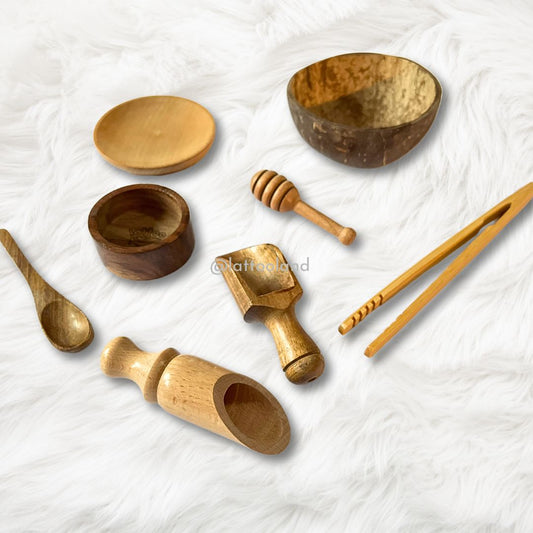
- Wooden scoops and cups
- Pasta Sensory Bin Filler
- Natural items like pinecones or smooth stones (large)
Skills Developed
- Fine motor skills
- Cause-and-effect learning
- Early vocabulary building
Sensory Bin Fillers for Preschoolers (3–4 Years)
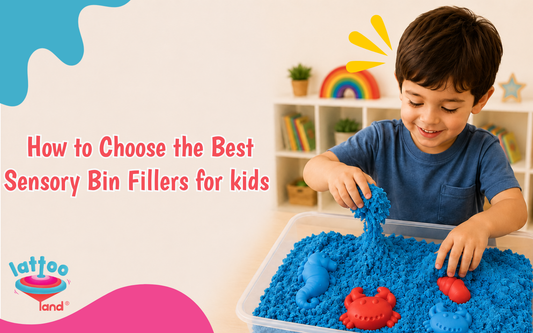
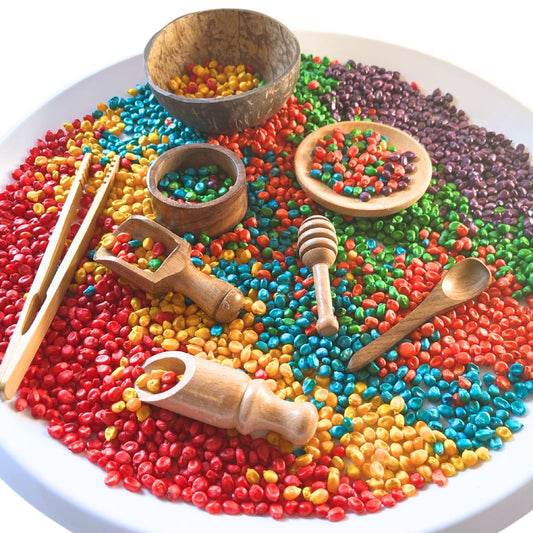
Sensory bin fillers for preschoolers aged 3–4 years are designed to spark creativity, encourage imaginative play, and support early learning skills. At this stage, children enjoy exploring a variety of textures, colors, and materials that allow them to scoop, pour, sort, and create their own stories. Age-appropriate fillers such as colored rice, pasta, lentils, kinetic sand, and themed sensory mixes help develop fine motor skills, hand-eye coordination, early math concepts, and problem-solving abilities. These sensory experiences also promote focus, language development, and emotional regulation, making sensory bins an engaging and educational play option for preschool-age children.
Best Characteristics
- Mixed textures and sizes
- Supports imaginative and themed play
- Encourages sorting and problem-solving
Recommended Fillers
- Kinetic sand or play sand
- Dyed corn kernels
-
Sensory pasta or lentils
- Themed fillers (construction dirt, ocean rice, rainbow mixes)
Skills Developed
- Creativity and storytelling
- Sorting and categorization
- Early math concepts
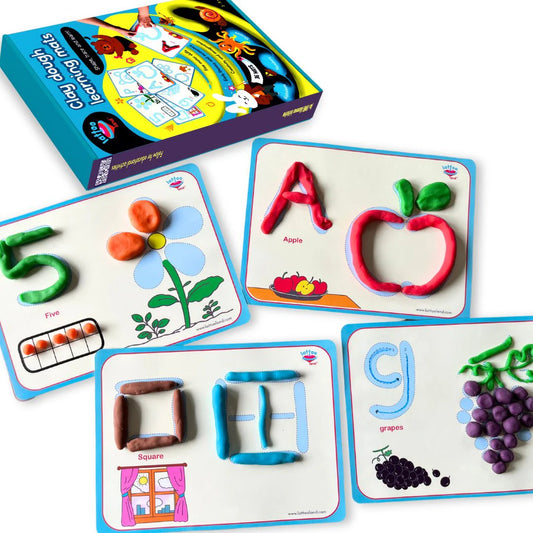
At this age, sensory bins can align with learning themes like seasons, holidays, or letters.
Sensory Bin Fillers for Kids (5+ Years)
Best Characteristics
- Complex textures
- Supports STEM and imaginative play
- Allows independent exploration
Recommended Fillers
- Mixed sensory blends (rice + beans + tools)
-
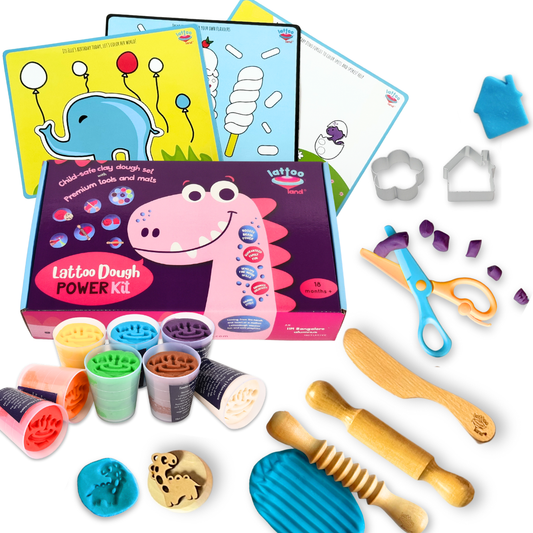
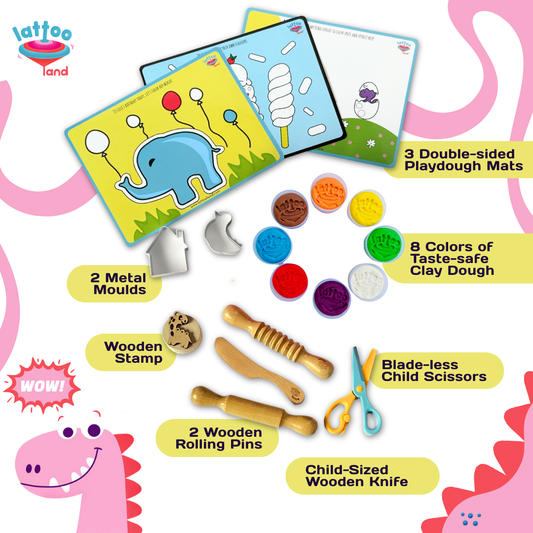
Play dough with add-ins
- Soil, rocks, and nature-based fillers
- DIY science or measurement bins
Skills Developed
- Problem-solving
- STEM thinking
- Emotional regulation and focus
Older kids love challenge-based sensory play, such as building, measuring, or sorting by rules.
How to Choose Safe Sensory Bin Fillers - Parent Checklist
Before buying or DIY-ing sensory fillers, ask yourself:
✔ Is it non-toxic and child-safe?
✔ Is it age-appropriate in size?
✔ Can my child play with it independently or with supervision?
✔ Does it support a specific developmental goal?
✔ Is it easy to clean and store?
Natural vs. Synthetic Sensory Bin Fillers
Many parents prefer natural sensory bin fillers like rice, chickpeas, or wooden tools because they are:
- Eco-friendly
- Less overstimulating
- Safer for young children
- However, high-quality synthetic fillers (like kinetic sand or silicone tools) can also be great when tested and child-safe.
Match the Filler to the Child, Not the Trend
The best sensory bin filler isn’t the most Instagram-worthy it’s the one that matches your child’s age, interests, and developmental needs. When chosen thoughtfully, sensory bins become more than play; they become powerful learning experiences.
Whether you’re a parent, homeschooler, or early-learning educator, age-appropriate sensory play can spark curiosity, confidence, and creativity one scoop at a time
Tags:
Previous
Valentine’s Day Activities for Kids That Are Easy and Screen-Free
Next
Why Finger Painting Is Important for Babies’ Brain Development
Related articles
Why Sensory Art Matters in Early Childhood
Oct 14 2026