
Are Sensory Bins Good for Kids? Here’s What Every Parent Should Know
Children learn best when they experiment, explore, and let their curiosity lead the way—and that’s exactly what sensory bins are designed for. These playful setups, filled with materials like colored rice, pasta, sand, or beans, aren’t just a source of fun. They play a powerful role in early childhood development. If you’ve ever seen a child scoop, pour, squeeze, or run their fingers through different textures, you’ve witnessed sensory play at work. Through touch, sight, sound, and movement, kids gain valuable hands-on learning experiences. Sensory bins offer one of the easiest and most exciting ways to encourage this type of discovery.
So, are sensory bins actually beneficial?
Absolutely, They help build fine motor skills, spark creativity, improve focus, and even support emotional regulation. Here’s everything parents need to know about how sensory bins can transform playtime into meaningful learning for little ones.
What Is a Sensory Bin?
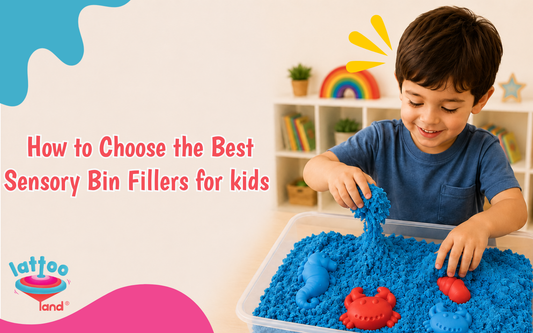
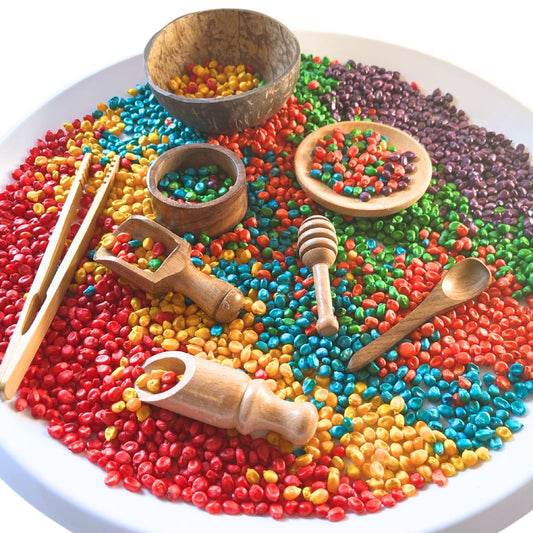
A sensory bin is a hands-on play container filled with materials that engage a child’s senses touch, sight, sound, and sometimes even smell. It’s designed to encourage open-ended exploration, creativity, and learning through play. Typically, a sensory bin is a simple box or tub filled with items such as colored rice, beans, pasta, sand, water beads, or natural materials like leaves and pebbles. Children can scoop, pour, sift, dig, and feel different textures while using tools like spoons, cups, or small toys.
The goal of a sensory bin is to give children a safe, stimulating space to explore and discover. Whether it’s a winter sensory bin filled with snowy rice, a beach-themed bin with sand and shells, or a holiday bin with festive colors, these setups provide countless opportunities for kids to develop fine motor skills, problem-solving abilities, focus, and imaginative play all while having fun.
Why Sensory Bins Are Good for Kids
1. Boosts Fine Motor Skills : Scooping, pinching, pouring, and transferring objects help strengthen small hand muscles skills that support writing, dressing, and feeding.
2. Encourages Cognitive Development : Through sensory play, children learn about cause and effect (“What happens when I pour this?”), problem-solving, and sorting. Sensory bins also spark curiosity and imagination, promoting early STEM thinking.
3. Enhances Language and Communication : When children describe what they see or feel—“soft,” “rough,” “cold,”—they build vocabulary naturally. Playing alongside parents or friends encourages conversation and storytelling.
4. Promotes Emotional Regulation : Sensory bins are calming and grounding. The repetitive motions of scooping or running fingers through materials can help children manage anxiety or overstimulation—especially beneficial for kids with sensory processing challenges.
5. Encourages Independent Play : Once introduced, kids often play independently for long stretches. This kind of focused, imaginative play fosters creativity and concentration.
How to Get Started with Sensory Bins at Home
Creating sensory bins at home is simple, affordable, and a great way to encourage hands-on learning. You don’t need fancy supplies just everyday items and a touch of creativity.
-
Choose a Container: Start with any shallow plastic bin or box that’s easy for kids to reach into.
- Pick a Base Material: Use safe fillers like colored rice, pasta, beans, sand, or water beads.
-
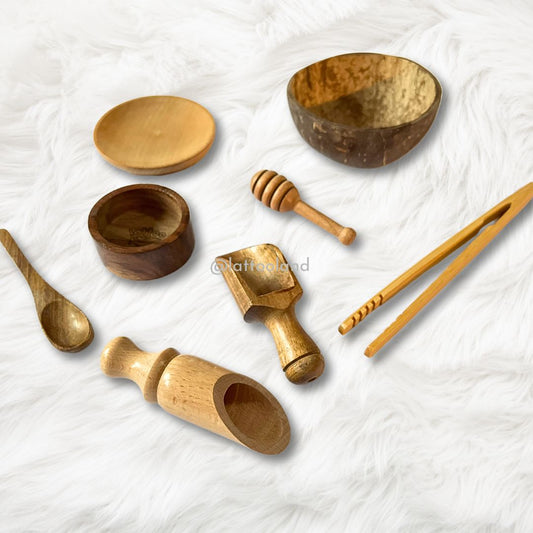
Add Tools & Toys: Include spoons, tongs, cups, or small figurines to enhance play.
Rotate Materials: Change themes or fillers weekly to keep activities exciting and engaging. -
Sensory bins spark imagination, build fine motor skills, and provide a calming, educational play experience perfect for toddlers and preschoolers.
Here are some delightful varieties to try with your little one.
🌈 Rainbow Rice Sensory Bin
A rainbow rice bin is a timeless sensory classic simple to set up yet engaging for hours. Fill a tub with brightly colored rice and add scoops, funnels, and little cups. Children love the soothing sound of pouring rice, the thrill of discovering hidden treasures, and the satisfaction of filling, dumping, and refilling. This bin boosts fine motor skills, encourages pretend play, and offers a calming way to keep little hands busy.
🍃 Nature Sensory Bin
A nature bin brings the outdoors right into your home. Gather leaves, twigs, seed pods, pebbles, flowers, and a few tiny animal figurines. The varied textures - smooth stones, crunchy leaves, rough bark—give children a chance to explore the world with their fingertips. Perfect for curious little explorers, this bin builds sensory confidence and sparks endless storytelling possibilities inspired by nature.
🚧 Construction Sensory Bin
Little builders adore a construction-themed bin! Use kinetic sand or soil-like fillers along with small rocks, wooden blocks, scoops, and toy trucks. Kids enjoy digging, pushing, lifting, and creating their own mini work sites. Beyond being incredibly fun, this kind of play strengthens hand muscles, improves coordination, and encourages problem-solving as they figure out how to build roads, tunnels, or tiny structures.
🎄 Holiday-Themed Sensory Bin
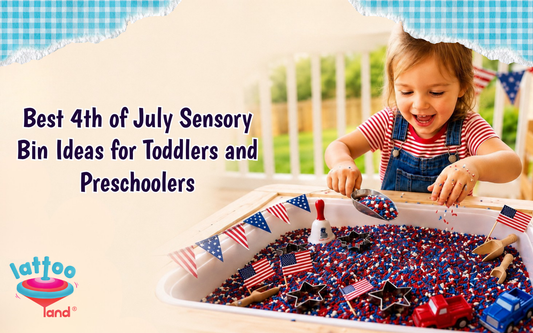
Festive sensory bins bring seasonal magic straight into playtime. Fill a bin with Christmas ornaments, jingle bells, snowflake confetti, Halloween trinkets, fall leaves, or any holiday-themed fillers. Themed bins help children connect with celebrations in a hands-on way, making memories and traditions even more meaningful. They’re also a great way to reuse decorations and add a sensory twist to festive learning.
So, are sensory bins good for kids?
Absolutely. They’re a perfect blend of fun, learning, and development helping children grow emotionally, physically, and cognitively through hands-on exploration. Whether you create your own or buy a ready-made sensory kit, these bins are a simple way to bring meaningful, screen-free play into your child’s day.
Tags:
Related articles
Why Sensory Art Matters in Early Childhood
Oct 14 2026