
Sensory Play Ideas Using Finger Paint for Babies and Infants
Babies learn about the world through their senses. A soft blanket, a crinkly toy, a splash of water, or the feeling of something new between their fingers can become a tiny learning experience. That is why finger painting for babies and infants can be more than just a fun art activity. When done safely and appropriately, finger painting introduces babies to colors, textures, movement, and cause-and-effect learning while giving them an opportunity to explore freely.
You do not need an elaborate setup or an art studio at home. With baby-safe, non-toxic finger paints, a washable surface, and a little imagination, parents can create simple sensory play experiences that encourage early learning.
What Is Sensory Play for Babies?
Sensory play involves activities that stimulate one or more of a child's senses, including touch, sight, hearing, smell, and sometimes taste. For infants, sensory activities are usually very simple. They might involve touching different textures, watching colors move, or feeling a cool or squishy surface. Finger painting for infants combines several of these experiences. Babies can feel the paint, watch colors spread across paper, and notice what happens when they move their hands.
The goal isn't to create a perfect painting. It is about giving babies a safe opportunity to explore.
Best Sensory Play Ideas Using Finger Paint for Babies and Infants
1. Baby Handprint Art
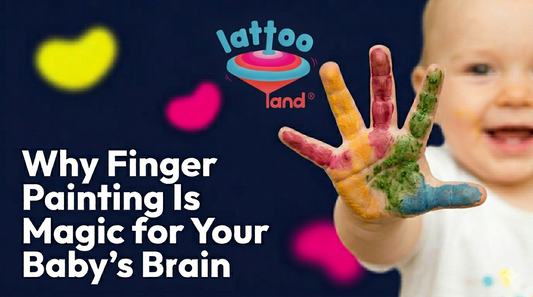
Handprint painting is one of the simplest ways to introduce babies to art. Place a sheet of thick paper on a protected surface and add a small amount of baby-safe finger paint. With your help, gently guide your baby's hand onto the paper.
You can create a single handprint, several colorful prints, or a keepsake using different colors.
This activity gives babies the opportunity to experience:
- Different textures
- Colors and visual contrast
- Hand movement
- Cause and effect
- Early creative exploration
And for parents, the finished handprint becomes a sweet memory of how tiny those hands once were.
2. Squish-and-Swipe Sensory Bag
If your baby is too young for direct contact with paint, try a mess-free sensory painting activity. Add a small amount of non-toxic finger paint to a strong, sealable plastic bag. Remove excess air, seal it securely, and place the bag on the floor or a tray.
Encourage your baby to:
- Pat the bag
- Press the colors
- Swipe their fingers across it
- Watch colors move
- Make different shapes
This is a wonderful option for babies who enjoy tactile exploration but aren't ready to handle paint directly. Make sure the bag is securely sealed and inspect it before and during use.
3. Tummy-Time Finger Painting
Turn tummy time into a colorful sensory experience. Place a large sheet of paper or a protected painting surface in front of your baby during supervised tummy time. You can add a small amount of appropriate finger paint within easy reach. As your baby reaches, pats, or moves their hands across the surface, they can watch the paint create marks.
This activity combines sensory exploration with movement and visual tracking.
Keep the session short. Babies can become tired quickly, so follow your baby's cues rather than trying to complete a specific painting.
4. Color Discovery Painting
Babies don't need to know the names of colors to begin noticing them.
Choose two contrasting colors and place them on separate areas of the paper. Let your baby explore each color.
For older infants, you can gently say:
"Blue."
"Yellow."
"Look, blue and yellow!"
The focus isn't on memorizing color names. Instead, you are building early language connections by talking about what your baby is seeing and doing.
5. Texture + Paint Exploration
Add another sensory element by placing different safe textures underneath or beside the painting area.
For example, you might offer a piece of textured cardstock, a soft cloth, or another baby-safe material for your infant to touch before exploring the paint.
Talk about the experience:
- "This feels soft."
- "The paint feels squishy."
- "Look at your hand moving through the paint."
Simple conversations like these introduce descriptive language naturally.
6. Paint With Fingers and Palms
As babies grow, they may become interested in using different parts of their hands.
Instead of focusing only on fingertips, allow them to explore using their palms, fingers, and gentle hand movements.
You can demonstrate simple motions such as:
- Tap
- Pat
- Swipe
- Press
- Smear
These movements allow babies to discover how their actions create different marks on paper. Again, the process matters more than the finished artwork.
7. Rainbow Sensory Painting
For older infants who are comfortable with sensory activities, introduce several bright colors. Place small amounts of baby-safe finger paint on a large sheet of paper. Let your baby explore one color at a time or watch as different colors mix.
You can talk about what is happening:
- "Red is moving."
- "You made a big blue mark!"
- "Look how the colors changed."
This turns a simple painting session into an opportunity for early communication and observation.
What Are the Benefits of Finger Painting for Babies?
Finger painting can support sensory exploration, early creativity, and opportunities for parent-child interaction.
Here are some potential developmental benefits:
-
Sensory Development : The feeling of paint on the hands gives babies a new tactile experience. They can explore whether it feels smooth, cool, sticky, or slippery.
-
Fine Motor Practice : Reaching, pressing, patting, and moving fingers across a surface give babies opportunities to practice hand movements.
-
Cause-and-Effect Learning : Babies begin discovering that their actions can create results. "I moved my hand, and the paint moved too."
This simple discovery is an important part of early learning.
-
Visual Exploration : Bright colors and changing shapes can encourage babies to look, track, and observe.
-
Language Development : Parents can talk about colors, textures, movements, and actions during play. These everyday conversations expose babies to new words in a natural setting.
- Parent-Baby Bonding : Perhaps one of the best benefits is simply spending time together. Sitting beside your baby, talking, laughing, and exploring creates meaningful moments of connection.
How to Choose Baby-Safe Finger Paint
When shopping for finger paints for babies, look beyond bright colors and attractive packaging.
Look for:
- Non-toxic labeling
- Age-appropriate recommendations
- Clear ingredient information
- Products designed for young children
- Easy-to-clean formulas
- Reputable manufacturers
- Always follow the product's instructions and age recommendations.
Sensory play using finger paint can turn an ordinary afternoon into a simple early-learning adventure. For babies and infants, the magic isn't in creating a beautiful picture. It is in the little moments the first touch of paint, the surprised expression when colors move, the tiny handprint left on paper, and the conversations you share along the way. With baby-safe, non-toxic finger paints, close supervision, and age-appropriate activities, parents can create playful experiences that encourage sensory exploration and early development. So don't worry about keeping the paper perfect. Let your baby pat, press, swipe, explore, and get a little messy. Sometimes, the best learning happens when there is no perfect plan.
Tags:
Previous
Why Parents Prefer Non-Toxic Finger Paints for Early Learning and Sensory Play
Next
Why Sensory Art Matters in Early Childhood
Related articles
Why Sensory Art Matters in Early Childhood
Oct 14 2026