
What Are Scissor Skills and Why Are They Important for Preschoolers?
Scissor skills are one of the most overlooked milestones in early childhood development, yet they play a vital role in preparing children for writing, independence, and classroom success. Whether your child is cutting paper butterflies, creating colorful collages, or making simple craft projects, every snip helps build essential developmental skills.
For preschoolers between the ages of 3 and 5 years, learning to use child-safe scissors is more than just an arts-and-crafts activity. It strengthens fine motor control, improves hand-eye coordination, and boosts confidence through creative exploration.
In this guide, we'll explore what scissor skills are, why they're important, when children should start learning them, and fun ways parents can help build these skills at home.
What Are Scissor Skills?
Scissor skills refer to a child's ability to safely and effectively use scissors to cut different shapes, lines, and materials.. These skills require children to coordinate their hands, fingers, eyes, and brain, making them an important part of early childhood development.
Children usually begin developing scissor skills between 2 and 6 years of age, progressing from simple snips to cutting complex shapes.
While using scissors, preschoolers learn to:
- Hold scissors correctly
- Open and close the blades smoothly
- Coordinate both hands together
- Follow lines and simple shapes
- Control wrist and finger movements
- Focus on precision and accuracy
Although cutting may seem like a simple task, it actually activates several areas of brain development and requires careful coordination between vision, muscles, and concentration.
Why Are Scissor Skills Important for Preschoolers?
1. Strengthens Fine Motor Skills
Every cutting activity strengthens the small muscles in a child's fingers, hands, and wrists. These muscles are the same ones children use later for:
- Writing letters
- Coloring neatly
- Buttoning clothes
- Zipping jackets
- Holding pencils correctly
Without strong fine motor skills, many everyday classroom tasks become more challenging.
2. Improves Hand-Eye Coordination
Children must watch the cutting line while carefully moving the scissors in the correct direction. This improves visual tracking and coordination between the eyes and hands.
Better hand-eye coordination also supports:
- Reading readiness
- Drawing
- Sports
- Puzzle solving
- Building with blocks
3. Encourages Bilateral Coordination
Using scissors requires children to use both hands together in a coordinated way. One hand opens and closes the scissors, while the other holds, rotates, and steadies the paper as they cut. This important developmental skill, known as bilateral coordination, helps children perform many everyday tasks more easily, including tying shoelaces, opening lunch boxes, writing, and other activities that require both hands to work together.
4. Builds Concentration and Patience
Cutting along a line takes focus. Preschoolers quickly learn that rushing often leads to uneven cuts, while slowing down improves results.
These experiences naturally develop:
- Attention span
- Problem-solving
- Persistence
- Self-control
5. Prepares Children for Writing
Many parents don't realize that cutting activities directly support handwriting development.
- Scissor practice strengthens:
- Thumb muscles
- Finger control
- Wrist stability
- Pencil grip
- Hand endurance
These foundational skills make learning to write easier in kindergarten.
6. Boosts Creativity and Confidence
Craft projects allow children to turn ordinary paper into animals, flowers, greeting cards, and imaginative creations. Completing a project independently gives preschoolers a strong sense of accomplishment while encouraging creativity and self-expression.
At What Age Should Children Learn Scissor Skills?
Every child develops differently, but general milestones include:
| Age | Expected Scissor Skills |
| 2–3 years | Learns proper scissor grip with supervision |
| 3 years | Makes simple snips in paper |
| 3.5–4 years | Cuts straight lines |
| 4–5 years | Cuts curves and basic shapes |
| 5–6 years | Cuts complex shapes with good accuracy |
It's important not to rush the process. Children gain confidence through regular practice rather than perfection.
Signs Your Child Is Ready to Practice
Your preschooler may be ready if they can:
- Hold crayons comfortably
- Open and close their fingers independently
- Follow simple directions
- Sit and focus on an activity for several minutes
- Show interest in crafts
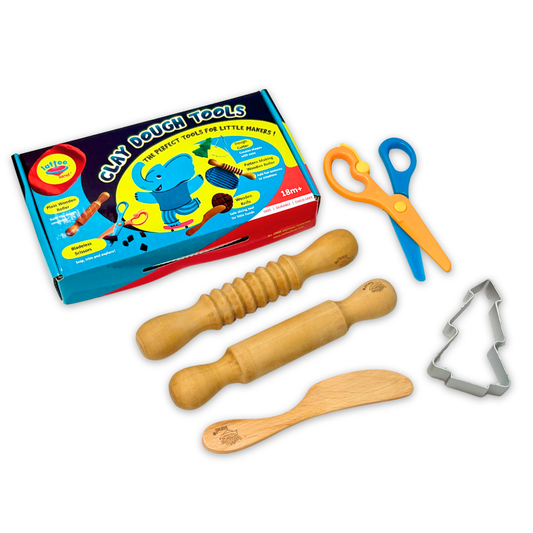
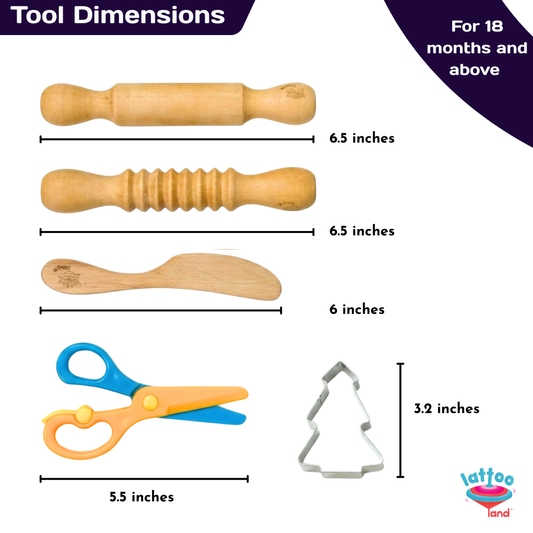
Always start with child-safe safety scissors that are specially designed for young learners. These scissors feature rounded tips and easy-grip handles, making them safer and more comfortable for little hands.
Here are engaging cutting activities that make practice enjoyable.
1. Cut Straight Lines
Draw thick straight lines on colorful paper and encourage your child to cut along them.
2. Fringe Cutting
Have children cut multiple small snips along the edge of construction paper to create "grass" or "hair."
3. Shape Cutting
Start with:
- Squares
- Rectangles
- Circles
- Triangles
Gradually move to more detailed shapes.
4. Nature Collage
Cut leaves, flowers, magazine pictures, or colored paper pieces and create beautiful collages together.
5. Play Dough Scissor Practice
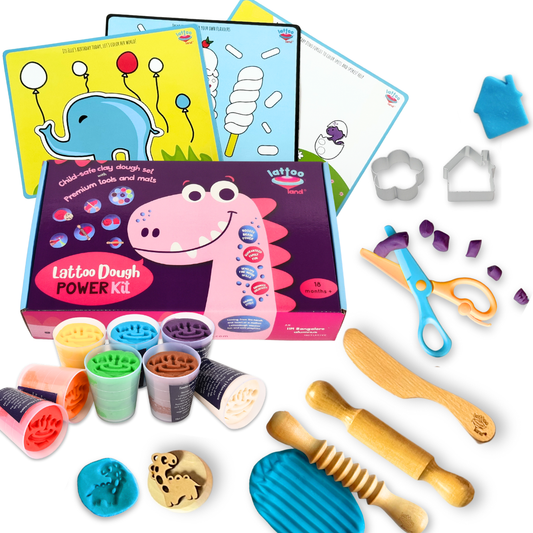
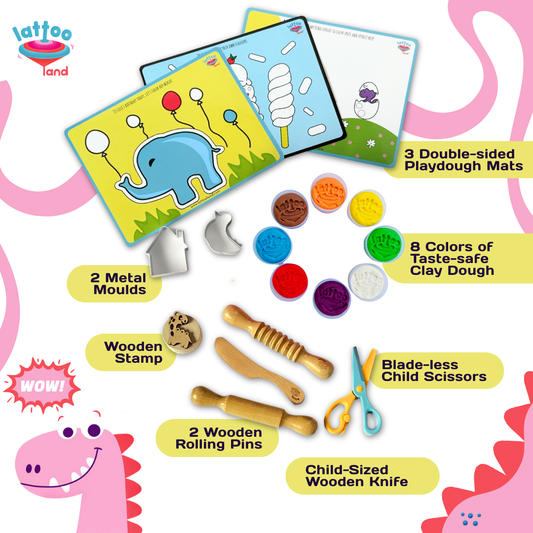
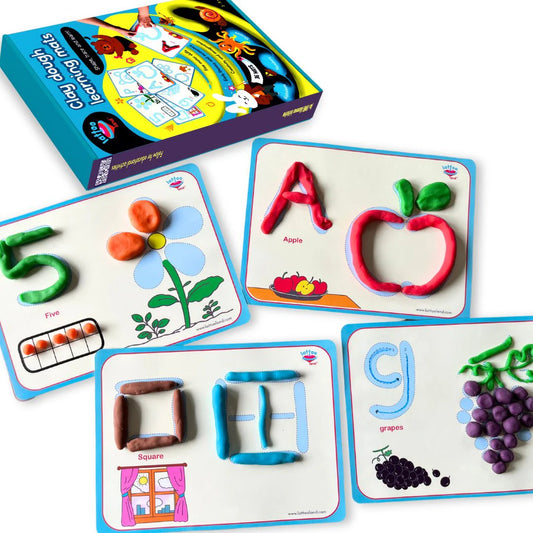
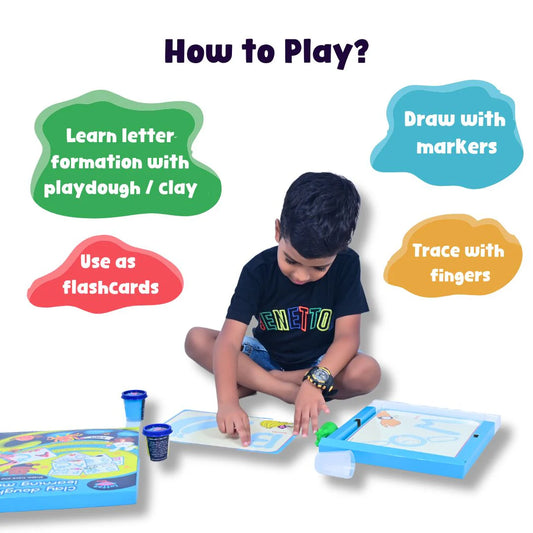
Soft play dough is excellent for beginners because it's easier to cut than paper. Rolling snakes or flattened shapes gives little hands valuable cutting practice while building confidence.
6. Cutting Craft Kits
Preschool craft activities that combine cutting, sticking, and decorating keep children engaged while strengthening multiple developmental skills at once.
Safety Tips When Teaching Scissor Skills
- Always prioritize safety during cutting activities.
- Choose rounded-tip preschool scissors.
- Supervise children at all times.
- Teach children to walk with scissors closed.
- Store scissors safely after use.
- Demonstrate correct hand positioning before each activity.
- With proper guidance, children quickly learn safe cutting habits.
Common Mistakes Parents Should Avoid
- Avoid these common pitfalls when teaching scissor skills:
- Expecting perfect cutting immediately
- Using adult-sized scissors
- Practicing for too long without breaks
- Correcting every small mistake
- Comparing children with others
Remember, confidence grows through encouragement—not perfection.
How Parents Can Support Scissor Skill Development at Home
You don't need expensive materials to build these skills. Simple daily activities make a big difference.
Try incorporating:
- Paper crafts
- Holiday decorations
- Homemade greeting cards
- Magazine cutting
- Sticker activities
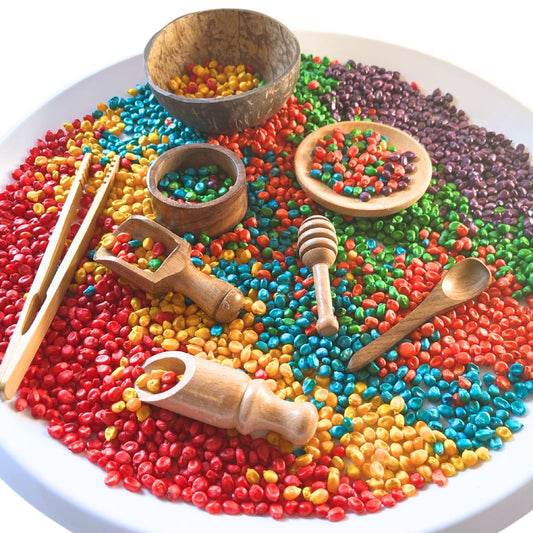
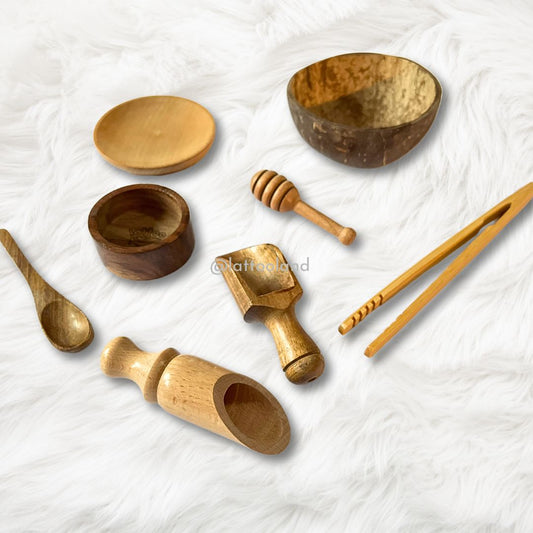
- Sensory play with child-safe tools
- Play dough cutting sessions
Just 10–15 minutes of regular practice can significantly improve your child's fine motor development over time. Scissor skills are much more than a preschool craft activity they're a foundational part of early childhood development. From strengthening fine motor muscles to improving hand-eye coordination and preparing children for handwriting, learning to use scissors supports many lifelong skills. The key is to introduce cutting through fun, age-appropriate activities that encourage creativity rather than perfection. With patience, practice, and plenty of positive reinforcement, preschoolers gain confidence while developing skills they'll use throughout school and beyond.
If you're looking for engaging ways to strengthen fine motor skills, combine child-safe scissors, sensory play, and creative craft activities to make learning both meaningful and enjoyable. After all, every little snip is another step toward independence and lifelong learning.
Tags:
Previous
Best 4th of July Sensory Bin Ideas for Toddlers and Preschoolers
Next
Why Are Playdough Tools Important for Early Childhood Education?
Related articles
Why Sensory Art Matters in Early Childhood
Oct 14 2026